

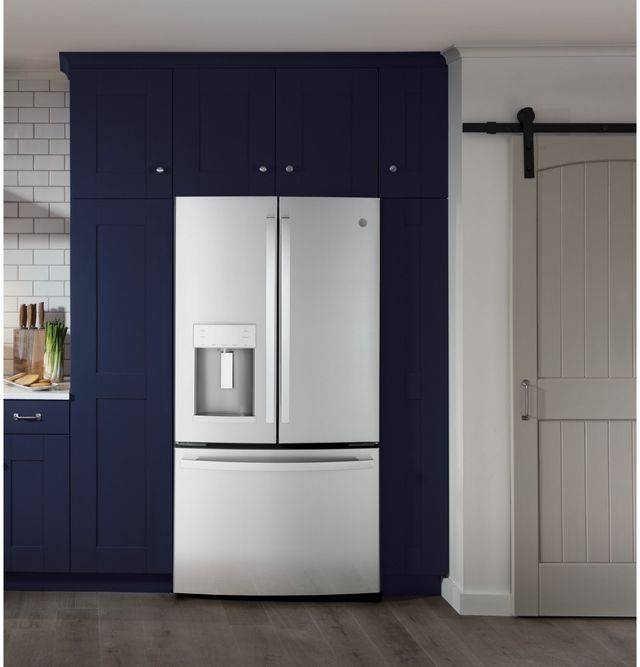
The burgers are on the grill, the guests are on the patio, and it is 108 degrees outside in Phoenix. You grab a stack of glasses, open the freezer, and find an ice bin with three lonely cubes stuck to the bottom. Nothing says summer in the Valley quite like warm lemonade. An ice maker not working is one of the most common appliance complaints we hear, and the good news is that many causes take only minutes to find and fix.
Consider this your shortcut to a full ice bin. Our appliance experts at Spencer's TV & Appliance have pulled together the troubleshooting steps that solve most problems, in the order that saves you the most time. This guide covers how the ice cycle works, the fastest checks to try first, water supply and mechanical causes, ice quality issues, a quick troubleshooting chart, simple maintenance habits, and how to decide between a repair and a replacement.
Key Takeaways
- Start with the simple stuff: Power switches, a raised shut-off arm and a freezer warmer than 5 degrees Fahrenheit cause a large share of ice problems.
- Water supply is the next suspect: A clogged filter, kinked line, frozen fill tube or low water pressure can stop ice production even when the fridge cools fine.
- Small cubes are a warning sign: Slow or shrinking ice output often shows up before a full failure.
- Repair or replace depends on age: A newer fridge usually deserves a repair, while an older unit with repeat problems may be ready for an upgrade.
Get Fresh Ice Flowing Again
From quick fixes to dependable new ice makers and refrigerators, the local team at Spencer's TV & Appliance can help you get cold drinks back on the table. We serve the Phoenix metro with expert advice, fast delivery and professional installation.
How a Refrigerator Ice Maker Works

A refrigerator ice maker runs the same basic loop over and over, all day long. Knowing each step makes it much easier to spot where things break down.
Here is the ice-making cycle in order:
- The water inlet valve opens and fills the ice mold through a small fill tube.
- The freezer chills the water until it freezes solid.
- A thermostat senses that the cubes are frozen and signals the harvest.
- A small heater warms the mold just enough to loosen the cubes.
- The ejector arm pushes the cubes out of the mold and into the ice bin.
- The shut-off arm, or an optical sensor on newer models, stops production when the bin is full.
Every one of these parts can cause trouble. Still, most cases of an ice maker not working trace back to one of three systems:
- Power and settings: The ice maker is switched off, the freezer is too warm, or a sensor thinks the bin is full.
- Water supply: Water is not reaching the mold because of a filter, line, valve or pressure problem.
- Mechanical parts: Something is jammed, frosted over or worn out inside the ice maker assembly.
Work through those three systems in that order. The fixes get harder, and more expensive, as you go.
Quick Checks to Try First When Your Ice Maker Is Not Working

Before you call for service or start pulling the fridge away from the wall, run through this checklist. These steps fix a surprising number of problems.
The Five-Minute Checklist
- Check the power switch or setting: Many ice makers have an on/off switch near the mold or an ice-off button on the control panel. It is easy to bump it while cleaning.
- Lower the shut-off arm: If the wire arm is stuck in the up position, the ice maker thinks the bin is full and stops making ice.
- Clear the optical sensor: On models with light sensors, frost or a stray cube can block the beam and pause production.
- Reseat the ice bin: A bin that is not pushed all the way in can stop the ice maker or the dispenser from working.
- Turn off the child lock: A locked control panel or an ice-off mode on the dispenser can look exactly like a broken ice maker.
Check the Freezer Temperature
Ice makers need a cold freezer to work well. Aim for 0 to 5 degrees Fahrenheit. To check it, place an appliance thermometer between frozen packages, close the door, and read it after about 24 hours. If the freezer runs warmer than that, ice production slows down or stops.
Give a New Ice Maker Time
A newly installed refrigerator or ice maker typically needs about 24 hours before the first harvest. Toss the first few batches. They can contain air, debris or carbon particles from a new filter and water line.
A Phoenix-Area Garage Warning
A second refrigerator in the garage is a Valley tradition. In summer, though, garage temperatures can climb well past 100 degrees. Most standard refrigerators are not built to hold freezer temperature in that kind of heat, so ice production slows down or stops entirely. If your garage fridge quits making ice every July, the heat may be the real cause.
Read More: How to Fix Frigidaire Ice Maker Not Working | Common Refrigerator Problems
Water Supply Problems That Stop Ice Production
When the settings check out, water is the next place to look. An ice maker cannot make ice if water never reaches the mold.
Common Water Supply Culprits
- Clogged water filter: An old filter restricts flow and is one of the most common reasons for slow or no ice.
- Kinked or crushed supply line: Pushing the fridge back against the wall can pinch the line behind it.
- Frozen fill tube or water line: A freezer that runs too cold, or a slow drip, can freeze the small tube that feeds the mold.
- Partially closed shutoff valve: A valve that was bumped or never fully reopened after a repair limits water flow.
- Low household water pressure: Most inlet valves need roughly 20 psi to open and fill properly.
Run a Simple Flow Test
If your refrigerator has a water dispenser, hold a measuring cup under it for 10 seconds. A strong, steady stream is a good sign. A weak trickle points to a clogged filter, a pinched line or low pressure. If flow improves after you remove the filter or install the bypass plug that comes with some models, the filter is your problem.
Thaw a Frozen Fill Tube Safely
Unplug the refrigerator first. Remove the ice bin, then aim a hair dryer on its low setting at the fill tube where it enters the mold. Keep the dryer moving and away from plastic parts. Never chip at ice with a knife, screwdriver or ice pick, since that can crack the mold or puncture the line.
When the Dispenser Works but the Ice Maker Does Not
A working water dispenser with no ice tells you a lot. It means water is reaching the fridge, so the main supply line and shutoff valve are probably fine. The problem is more likely the fill tube, the ice maker side of the water inlet valve, or the ice maker itself.
Hard Water in the Phoenix Metro
Phoenix-area water is among the hardest in the country. Over time, minerals build up inside the water inlet valve and restrict flow, which leads to smaller cubes and slower production. Hard water also wears out filters faster, so a filter that lasts six months elsewhere may need replacing sooner here.
Read More: How Often Should You Change the Water Filter in Refrigerator? | Do You Need a Refrigerator Water Line for Ice and Water Dispensers?
Mechanical and Electrical Causes of a Broken Ice Maker
If water is flowing and the freezer is cold, the issue is likely inside the ice maker assembly. Some of these problems are easy DIY fixes. Others need a technician.
Jams, Clumps and Frosted Sensors
- Jammed cubes in the mold or ejector: A half-ejected cube can stop the cycle in place.
- Ice clumped in the bin or auger: Ice that sits unused for weeks can melt and refreeze into a solid block that the auger cannot turn.
- Frosted optical sensors: A thin layer of frost blocks the sensor and tells the ice maker the bin is full.
- Stuck shut-off arm: A bent or frozen arm can hold the ice maker in the off position.
Empty the bin, break up clumps by hand, and wipe the sensors with a soft cloth. Those steps are safe DIY fixes once the power is off.
Failed Parts That Need Diagnosis
- Water inlet valve solenoid: If the valve no longer opens, no water reaches the mold. Replacing it involves water and electrical connections.
- Ice maker module or control board: The module controls the timing of the whole cycle. When it fails, the ice maker sits idle even with water and cold air.
How to Reset Your Ice Maker
Most ice makers can be reset with a few general steps:
- Turn the ice maker off with its switch or control panel setting.
- Unplug the refrigerator, or switch off its breaker, for about one minute.
- Restore power and turn the ice maker back on.
- Run a test cycle if your model has a test or reset button, then wait several hours for a harvest.
Reset buttons and button combinations vary by brand, so follow your owner's manual for the exact steps.
Stay Safe Around the Ice Maker
Always disconnect power before touching the ice maker assembly. The mold heater, wiring and moving ejector arm are all live when the fridge is plugged in. If the fix involves the inlet valve, control board or wiring behind the back panel, call a trained technician.
Ice Maker Making Small, Hollow, or Bad-Tasting Ice
Not every problem is a full stop. Partial failures are often the first sign something needs attention.
- Small or hollow cubes: The mold is not filling all the way. Low water pressure, a clogged filter or a failing inlet valve is the usual cause.
- Slow production: A warm freezer, an aging filter or mineral buildup in the valve can cut daily output.
- Cloudy ice: Trapped air and dissolved minerals cause cloudiness. It is common with hard water and is usually harmless.
- Off tastes or odors: Old ice absorbs freezer odors. An expired filter or a dirty bin can also affect flavor.
- Leaking or overflowing trays: A refrigerator that is not level, or an inlet valve that does not close fully, can overfill the mold.
Pay attention to shrinking cubes or a bin that takes longer to fill. Slow or shrinking ice output is often an early warning that a full failure is coming, and catching it early usually means a cheaper fix.
Ice Maker Troubleshooting Chart: Symptoms, Causes, and Fixes
Use this chart to match your symptom to the most likely fix. Start with the quickest items first.
| Symptom | Likely Cause | Quick DIY Fix | Difficulty and Time | Call a Pro When |
|---|---|---|---|---|
| No ice at all | Ice maker off or arm raised | Turn on and lower arm | Easy, 5 minutes | Still no ice after 24 hours |
| Dispenser works, no ice | Frozen fill tube | Thaw with hair dryer on low | Easy, 30 minutes | Tube refreezes often |
| Small or hollow cubes | Clogged filter or low pressure | Replace filter | Easy, 10 minutes | Cubes stay small |
| Ice clumped or stuck | Unused ice refroze | Empty bin and break clumps | Easy, 15 minutes | Auger will not turn |
| Ice maker leaking | Fridge not level or bad valve | Level the refrigerator | Moderate, 30 minutes | Leak continues |
| Slow production | Warm freezer or old filter | Set freezer to 0 degrees | Easy, 24 hours to check | Temperature will not drop |
| Bad-tasting ice | Old ice or expired filter | Discard ice, change filter | Easy, 15 minutes | Taste returns quickly |
How to Prevent Ice Maker Problems With Routine Maintenance
A few simple habits keep ice flowing and prevent most service calls.
Monthly Checklist
- Empty the ice bin and toss any old or clumped ice.
- Wash the bin with warm water and mild soap, then dry it fully.
- Wipe the optical sensors and check that the shut-off arm moves freely.
- Confirm the freezer still reads 0 to 5 degrees Fahrenheit.
Twice-Yearly Checklist
- Replace the refrigerator water filter about every six months, or sooner with hard water.
- Inspect the supply line behind the fridge for kinks, cracks or slow drips.
- Clean the condenser coils or grille as your owner's manual directs.
Every time you install a new filter, run about three gallons of water through the dispenser before you trust the ice again. That flush clears trapped air and loose carbon from the filter, and skipping it is a common reason for sputtering dispensers and small, cloudy cubes in the first week.
Choose genuine manufacturer filters when you can. They are built to fit the housing correctly, and they help protect the inlet valve and your water quality. For households that want better water at every tap, whole-home water filtration and water softeners can also reduce mineral buildup.
Should You Repair the Ice Maker or Replace the Refrigerator?
Sometimes a quick part swap makes perfect sense. Other times, the ice maker is just the first part to give out on an aging fridge.
Factors to Weigh
- Refrigerator age: Most refrigerators last 10 to 15 years. A repair on a three-year-old unit is easy to justify.
- Part cost versus unit value: Replacement ice maker assemblies are often available for common models and can be a smart fix.
- Repeat failures: If the ice maker has failed more than once, or other parts are acting up, the money may be better spent on a new unit.
- Energy efficiency: Newer refrigerators often use less energy than older models, which helps offset the cost over time.
- Warranty coverage: Check your manufacturer warranty or protection plan before paying for a repair out of pocket.
Upgrade Options to Consider
If you decide to upgrade, you have more choices than ever. Some French door refrigerators now offer dual ice makers, with one making standard cubes and another making craft ice for drinks. Another option is a standalone undercounter ice maker, which gives you a dedicated ice supply for a kitchen, bar or entertaining space. The experts at Spencer's TV & Appliance can help you compare refrigerator and ice maker options side by side.
Read More: Is It Time for a New Fridge? Refrigerator Repair vs Replace Explained | 5 Refrigerator Ice Makers Worthy of Cheers
Ice Maker Not Working? Pros and Cons of DIY Fixes
Fixing an ice maker yourself can save money and time, but it is not the right move for every problem. Here is how DIY repair compares with calling a technician or replacing the unit.
Pros
Lower cost
Many fixes, like a new filter or a reset, cost little or nothing.
Faster results
You can often have ice again the same day instead of waiting for a service visit.
Better understanding
Learning how the cycle works helps you spot problems early next time.
Easy access to common parts
Filters and many replacement ice maker assemblies are simple to order for popular models.
Cons
Safety risk
Working near wiring and water without unplugging the fridge can lead to shock or leaks.
Possible warranty impact
Some repairs done outside an authorized service provider can affect your coverage.
A Desert Homeowner's Ice Maker Plan for Summer
Most troubleshooting guides are written for mild climates. In the Phoenix metro, triple-digit heat, hard water and monsoon power outages put extra stress on ice makers from May through September. A little planning in spring keeps you from running out of ice when you need it most.
- Change the filter in April: Start the hot season with full water flow instead of a half-clogged filter.
- Check the kitchen and garage freezers: Confirm both still hold 0 to 5 degrees before the first 100-degree week.
- Reset after power outages: Monsoon storms can trip breakers, so check that the ice maker restarted after power returns.
- Watch cube size: Smaller cubes in June are often a mineral buildup warning, not a random glitch.
- Plan for parties: If you entertain often, a dedicated undercounter ice maker takes the pressure off your refrigerator.
Dependable Undercounter Ice Makers at Spencer's TV & Appliance
If your refrigerator's ice maker keeps letting you down, a dedicated ice maker gives you a steady supply for parties, poolside drinks and daily use. These models range from countertop nugget ice makers to fully built-in units that blend with your cabinets. Our team can help you choose the right style for your kitchen, bar or patio area.
KitchenAid® 15” PrintShield™ Stainless Steel Ice Maker

This KitchenAid ice maker uses Clear Ice Technology to make uniform, crystal-clear cubes that look great in cocktails and iced tea. Water circulates over a freezing plate as it freezes, which leaves fewer air bubbles behind.
The storage bin holds up to 25 pounds of ice, and a Max Ice mode speeds up production before a party. A built-in drain pump lets you install it within 10 feet of a drain line. The PrintShield finish wipes clean with water and a soft cloth.
Top Features
- Clear Ice Technology: Produces uniform, clear cubes ideal for drinks and entertaining.
- 25-Pound Storage Bin: Keeps a generous supply ready when guests arrive.
- Built-In Drain Pump: Allows installation within 10 feet of a drain line.
- Max Ice Mode: Speeds up production for gatherings and larger parties.
- Self-Cleaning Cycle: Simplifies routine care with the touch of a button.
Cafe™ 15" Panel Ready Ice Maker

This Café panel-ready ice maker makes chewable nugget ice, the soft, crunchy style many people love in sodas and iced coffee. It produces up to 50 pounds of ice per day and stores up to 26 pounds, so a hot afternoon of entertaining is covered.
Built-in WiFi connects to the SmartHQ app, where you can schedule ice production and get filter and cleaning alerts. An integrated water filter improves ice quality. Add a custom panel and handle, sold separately, for a fully built-in look.
Top Features
- Nugget Ice: Crunchy, chewable ice that works great in drinks and on chilled platters.
- 50 Pounds Per Day: Strong daily output with 26 pounds of storage.
- Built-In WiFi: Schedule ice and receive alerts through the SmartHQ app.
- Integrated Water Filtration: Certified filter reduces lead, particulates and other impurities.
- Panel-Ready Design: Accepts a custom panel to match your cabinets.
KitchenAid® 18" PrintShield Stainless Automatic Ice Maker

This 18-inch KitchenAid ice maker is built for homes that go through a lot of ice. Its deep bin holds up to 35 pounds, and Clear Ice Technology creates slow-melting cubes that keep drinks from watering down.
A drop-down door helps the unit sit fully flush with surrounding cabinets. The factory-installed drain pump allows installation within 10 feet of a drain, in any direction. The PrintShield finish resists fingerprints, and the self-cleaning cycle keeps routine maintenance simple. It is a great fit for a home bar or outdoor kitchen.
Top Features
- 35-Pound Storage Bin: Holds plenty of ice for large families and frequent hosts.
- Clear Ice Technology: Makes slow-melting cubes for better-tasting drinks.
- Drop-Down Door: Supports a flush, built-in look without hinge clearance.
- Factory-Installed Drain Pump: Allows flexible placement within 10 feet of a drain.
- 3-Year Manufacturer Warranty: Adds longer coverage for peace of mind.
GE Profile™ Opal™ 14" 38 lb. Stainless Steel Ice Maker

Shop the Countertop Ice Makers
The GE Profile Opal is a countertop nugget ice maker that needs no water line or installation. Fill the reservoir, and the first batch of ice is ready in about 10 minutes, with up to 38 pounds made per day.
An attached side tank holds extra water so it runs longer between refills. Built-in WiFi pairs with the SmartHQ app, and voice control works with Alexa and Google. It is a simple way to add fresh ice to a kitchen, office or game room.
Top Features
- Rapid Production: First ice in about 10 minutes and up to 38 pounds per day.
- Countertop Design: No plumbing needed, so you can place it almost anywhere.
- Side Tank: Extra water supply means fewer refills.
- Built-In WiFi: Monitor status and schedule fresh ice from your phone.
- Cleaning Solutions: Built-in sanitize and descale support helps keep ice fresh.
GE® 15" 60 lb. Custom Panel Ready Ice Maker

This GE panel-ready ice maker is a strong choice for Phoenix-area homes that need serious output. It produces up to 60 pounds of ice per day at 70 degrees, or up to 48 pounds at 90 degrees, and stores up to 26 pounds.
It makes clear, slow-melting cubes and includes an integrated water filter. Built-in WiFi and the SmartHQ app let you schedule production and receive filter alerts. Add a custom panel and handle, sold separately, to match your cabinetry.
Top Features
- 60 Pounds Per Day: High daily output for busy kitchens and frequent entertaining.
- Clear, Slow-Melting Ice: Keeps drinks cold without watering them down.
- Integrated Water Filtration: Certified filter reduces lead and other impurities.
- SmartHQ App: Schedule ice, adjust lighting and get filter alerts remotely.
- Custom Panel Ready: Blends into your cabinets for a built-in look.
Whirlpool® 15" Stainless Steel Ice Maker

This Whirlpool ice maker brings dependable clear ice to a kitchen, bar or basement. Clear Ice Technology removes air bubbles and impurities during freezing, which also reduces foam in carbonated drinks. The bin holds up to 25 pounds of ice.
It can be installed under a counter or on its own. A self-cleaning cycle indicator tells you when to run maintenance, and the filter installs right by the controls. A reversible door, LED lighting and a fingerprint-resistant finish round it out.
Top Features
- Clear Ice Technology: Removes air bubbles for clearer, better-tasting ice.
- Undercounter or Freestanding: Flexible installation for many spaces.
- Self-Cleaning Cycle Indicator: Reminds you when to clean and reduce mineral scale.
- Easy Access Filter Install: Filter sits right by the controls for quick changes.
- Reversible Door: Opens from either side to fit your layout.
Scotsman® Brilliance® 15" 35 lb. Panel Ready Ice Maker with Gravity Drain

Scotsman is known for commercial-grade ice machines, and the Brilliance brings that know-how home. It makes up to 35 pounds of gourmet ice in 24 hours, with crystal-clear, odorless cubes that resist clumping and will not dilute your drinks.
This model uses a gravity drain, so plan for a floor drain below the unit. It ships with an unfinished front panel that accepts a custom wood panel or a Scotsman stainless kit. A field-reversible door and 5-year compressor coverage add value.
Top Features
- Gourmet Ice: Clear, odorless cubes that keep drinks looking and tasting great.
- 35 Pounds Per Day: Reliable output for home bars and entertaining.
- Panel-Ready Front: Finish with a custom wood panel or stainless kit.
- Field-Reversible Door: Fits left- or right-hand layouts.
- 5-Year Compressor Warranty: Longer coverage on the core cooling part.
Ice Maker Not Working? Your Path Back to Fresh Ice
When you face an ice maker not working, start with settings and freezer temperature, then rule out water supply problems before looking at mechanical parts. Most issues are fixed with a reset, a new filter or a quick thaw. If the problems keep coming back, a new refrigerator or a dedicated ice maker may be the smarter long-term move.
When you are ready to upgrade, visit Spencer's TV & Appliance at one of our showrooms across the Phoenix metro, from Mesa and Gilbert to Scottsdale, Glendale and Goodyear. Our appliance experts can help you compare models, check your space and set up professional delivery and installation. You get local service from a Valley team that knows your water, your heat and your home.
Frequently Asked Questions about Ice Makers Not Working
When the dispenser works but the ice maker is not making ice, the problem is usually a frozen fill tube, a faulty inlet valve or the ice maker itself. Water is clearly reaching the refrigerator, so the main supply line is likely fine.
You can reset most refrigerator ice makers by turning the ice maker off, unplugging the fridge for about one minute, then restoring power and turning it back on. Some models also have a reset or test button, so check your owner's manual for the exact steps.
A new ice maker typically takes about 24 hours to start making ice after installation. Discard the first few batches to clear out air and debris from the new water line and filter.
Yes, a clogged water filter can slow or stop an ice maker by restricting water flow to the mold. Replacing the filter about every six months, or sooner with hard water, keeps water moving freely.
Small or hollow ice cubes usually mean the mold is not filling completely because of low water pressure, a clogged filter or a failing inlet valve. A warm freezer can also cause partially frozen cubes.
Repairing an ice maker is usually worth it if the refrigerator is fairly new and the part is affordable. Older units with repeat failures or other problems are often better replaced with a more efficient model.
Why Trust Spencer’s TV & Appliance?
Since 1973, Spencer’s TV & Appliance has grown to 10 locations throughout the Phoenix Metropolitan Area. The secret to our longevity is simple: personal service. Customer satisfaction has always been the focus of our business, and throughout the years, we have been able to work hard with our suppliers to bring you the best prices. After all, getting customers the best price and personal attention is how we compete with big-box stores, day in and day out.
Not only do we offer top-rated appliances, name-brand electronics, and the best mattresses on the market but we also provide water treatment solutions and perform kitchen design services. Stop by your nearest Spencer’s and see what you’re missing!
Shop at Spencer’s Appliances in Phoenix
At Spencer’s TV & Appliance Stores Phoenix, we provide high-quality, name-brand products at great prices — check out our entire catalog to shop refrigerators, dishwashers, wall ovens, and so much more today. Your friends in the business are always happy to help you find the best kitchen appliances, mattresses, laundry appliances, and electronics for your humble abode, no matter what! Call us, or better yet, search for Spencer's appliances near me and stop by at one of our locations in the Phoenix, Scottsdale, and Glendale regions. Visit us today!
Learn More: Tips for Designing a High-End Kitchen