
The casserole boiled over two Sundays ago, and what was once bubbling sauce is now a black carbonized ring welded to the oven floor. Every preheat sends a thin plume of smoke up past the door and sets off the hallway smoke alarm before the temperature even hits 350. Under the sink there is a scrubbing pad, a pair of gloves and a can of caustic oven cleaner. On the control panel there is a self cleaning oven button that nobody in the house has ever pressed. Guests arrive in four days.
Get Your Oven Spotless Before the Next Big Dinner
Spencers TV & Appliance has helped Phoenix-area homeowners choose and use ranges and wall ovens since 1973. Compare cleaning systems in our showrooms, then let our own installers handle delivery, gas and electric hookups and haul-away.
The reassuring truth is that both cleaning methods work, and the right choice comes down to how dirty the oven is and how much time you have before the guests show up. At Spencers TV & Appliance, our appliance team walks Valley homeowners through cleaning cycles, interior finishes and the trade-offs between them every week. This guide covers how the high-heat cycle actually works, how steam clean differs from it, what manual cleaning does better, the real safety considerations behind the fume and component-wear questions, clear rules for when each method wins, and the habits that keep an oven clean enough that deep cleaning becomes rare.
Key Takeaways
- Self clean is a burn, not a wash: A pyrolytic self cleaning oven locks its door and heats to roughly 800 to 900 degrees Fahrenheit, reducing baked-on residue to a fine white ash you wipe out afterward.
- Steam clean is a different feature entirely: Steam cycles run near 250 degrees for 20 to 30 minutes using water, and they loosen light soil rather than incinerating heavy carbon.
- Manual cleaning still owns certain surfaces: Door glass, the gasket area, the control panel surround and the exterior are all outside what any automatic cycle reaches.
- Timing matters more than technique: High heat stresses components, so the cycle belongs on a quiet weekend rather than the day before a holiday dinner.
How a Self Cleaning Oven Actually Works
The high-heat cycle is called pyrolytic cleaning, and the name describes the mechanism. The oven latches its own door, then heats the cavity to somewhere between 800 and 900 degrees Fahrenheit, far above any cooking temperature. At that heat, food residue and grease do not dissolve or soften. They combust, breaking down into carbon dioxide, water vapor and a small quantity of fine white ash that settles on the oven floor.
When the cycle finishes, there is nothing to scrub. You wait for the cavity to cool, wipe the ash out with a damp cloth, and the interior is clean.
The Door Lock and the Cycle Clock
The automatic door lock engages at the start and cannot be overridden, which is a safety requirement rather than an inconvenience. At 900 degrees an open door would be genuinely dangerous, so the latch stays engaged until the cavity drops back to a safe temperature on its own.
Plan on two to four hours of active cycle time plus a cooling period that often adds another 30 to 60 minutes before the lock releases. Most models offer selectable durations, typically a shorter light-soil setting around two hours and a longer heavy-soil setting closer to four. Choose the shortest setting that matches the actual mess, since every extra hour at that temperature is additional thermal stress on the appliance.
Steam Clean Is Not the Same Feature
This is the single most common point of confusion in appliance showrooms. A steam clean cycle pours roughly a cup of water into the oven floor, heats the cavity to about 250 degrees, and runs for 20 to 30 minutes. The steam softens light soil so it wipes away with a cloth.
The two features share a control panel and nothing else:
- Pyrolytic self clean incinerates heavy carbonized buildup at 800 to 900 degrees over several hours.
- Steam clean loosens fresh, light soil at about 250 degrees in under half an hour.
- Some ovens offer both, some offer only one, and some offer neither.
- Catalytic or continuous-clean liners are a third system entirely, using a porous coating that absorbs grease during normal cooking, and those interiors generally must not be cleaned with commercial oven cleaner.
Read more:
Six Best Self-Cleaning Ovens for the Modern Home
The 7 Best Wall Ovens | Top Rated Ovens
What the Cycle Cannot Do
Set expectations before you press start. The self clean cycle handles the oven cavity, and that is all it handles. It will not clean the door glass on the outside, it does not reach between the panes of a double or triple glazed door, and manufacturers typically instruct owners to keep cleaner away from the door gasket, which means the ring of residue right at the gasket line usually still needs a hand wipe.
The control panel, the door handle, the exterior finish, the range hood and the cooktop above a range are all outside the cycle as well. A self clean run leaves you with a clean cavity and a to-do list of about ten minutes.
Manual Oven Cleaning Explained: Methods, Time and Results
Cleaning by hand is not a fallback. On several surfaces it is the only correct method, and on fresh spills it is faster than any cycle.
- Commercial caustic oven cleaner: Roughly 30 minutes of work plus 20 minutes to overnight dwell time depending on the product. Effective on heavy grease, and the most demanding option for ventilation and gloves.
- Baking soda paste and vinegar: Roughly 15 minutes to apply, 8 to 12 hours of dwell time, then 20 to 30 minutes of wiping. No fumes, and the standard chemical-free approach.
- Degreasing dish soap and hot water: Ten to 20 minutes on fresh grease and recent spatter, before residue has carbonized.
- Steam-assisted manual cleaning: Place an oven-safe pan of water inside, heat to about 250 degrees for 20 to 30 minutes, let it cool, then wipe. This mimics a steam clean cycle in an oven that does not have one.
Match the Method to the Soil
Most frustration with manual cleaning comes from using the wrong approach on the wrong mess. Fresh grease and recent spatter respond to soap and hot water in minutes. Carbonized carbon deposits, the hard black material left after a spill has been baked repeatedly, will not dissolve in dish soap no matter how long you scrub. That soil type needs either a long caustic or baking soda dwell or the high-heat cycle. Trying to attack carbonized deposits with a scrub pad is what wrecks interior finishes.
Where Manual Cleaning Wins Outright
The door glass is the clearest example. Splatter on the inside of the glass is fully visible every time you check on dinner, and no cycle removes it because the cycle temperature does not reach the glass residue the same way it hits the cavity walls. The gasket area, the control panel surround, the door edges and the entire exterior are all hand-cleaning territory.
Safety and Warranty Warnings Worth Reading Twice
- Never apply commercial oven cleaner to heating elements, the door gasket, or continuous-clean and catalytic liner interiors, since many manufacturers explicitly prohibit it and damage is not a warranty repair.
- Wear gloves and eye protection with caustic products, and open windows and run the range hood, since fumes concentrate quickly in a closed kitchen.
- Do not mix cleaning products, and never combine anything with bleach.
- Remove oven racks and clean them separately, either soaking in a bathtub lined with a towel or using a heavy-duty bag with cleaner outdoors.
- Check the use and care manual before using any product on the interior, because interior finishes vary considerably between models.
Racks deserve their own note, since most manufacturers instruct owners to remove them before a self clean cycle. The extreme heat can discolor the rack finish and damage the coating that lets racks glide, which turns smooth-sliding racks into sticky ones permanently.
Self Cleaning Oven Safety: What You Should Know Before You Press Start
The safety questions around this cycle deserve a straight answer rather than either alarmism or dismissal.
Fumes, Ventilation and Birds
Burning food residue at 900 degrees produces smoke and small quantities of combustion byproducts. For a healthy adult in a ventilated kitchen this is comparable to the smoke from searing a steak, and it is not a reason to avoid the feature. It is a reason to open windows and run the range hood for the duration of the cycle, and to keep anyone with asthma or respiratory sensitivity out of the kitchen while it runs.
Pet birds are the genuine exception, and the concern is specific. Birds have extraordinarily efficient respiratory systems and are highly sensitive to fumes from overheated nonstick and coated surfaces, which can be present during high-heat cycles. Manufacturers and veterinary sources consistently advise moving birds well away from the area, ideally out of the home entirely, before running a high-heat cycle and keeping them away until the kitchen has aired out completely.
The Component Wear Question
Appliance technicians see a recognizable pattern after self clean cycles, and it is worth knowing about. Sustained extreme heat stresses electrical components, and the most commonly reported failures following a cycle are blown thermal fuses, control board faults and door lock mechanisms that will not release. That is why service calls cluster after holiday cleaning weekends.
This does not mean the feature is defective. It means the cycle is the hardest thing an oven ever does, and running it four times a year instead of monthly meaningfully reduces cumulative stress.
Harm Reduction Before You Press Start
- Scrape and wipe out loose debris and heavy spills first, since less material burning means less smoke.
- Remove the racks unless the manual specifically states they are self-clean safe.
- Open a window and run the range hood for the full cycle and the cool-down.
- Keep children and pets out of the kitchen, and move birds out of the home.
- Confirm nothing is stored in a warming drawer or on top of the range.
- Never run the cycle the day before a holiday or a dinner party, because a failed door lock leaves you with an oven you physically cannot open.
If smoke or odor lingers afterward, run the range hood, open windows, and place a bowl of white vinegar in the cool oven overnight. A wipe-down with a damp cloth removes the ash that carries most of the residual smell.
Self Cleaning Oven vs Steam Clean vs Manual Cleaning Comparison
| Cleaning Method | Temperature | Total Time | Hands-On Effort | Soil It Handles Best | Best For |
|---|---|---|---|---|---|
| Pyrolytic self clean | 800 to 900 degrees | 3 to 5 hours with cooling | Minimal, wipe ash after | Heavy baked-on carbon | Seasonal deep cleaning |
| Steam clean | About 250 degrees | 30 to 45 minutes | Light wiping required | Fresh, light soil | Routine upkeep between deep cleans |
| Caustic manual cleaning | Room temperature | 1 hour plus dwell time | High, scrubbing required | Heavy grease on reachable surfaces | Ovens without a self clean cycle |
| Baking soda manual | Room temperature | Overnight plus 30 minutes | High, scrubbing required | Moderate baked-on soil | Chemical-free households and birds |
| Soap and hot water | Room temperature | 10 to 20 minutes | Moderate | Fresh spatter and grease | Door glass, gasket area, exterior |
Read the table by starting with the soil column rather than the time column, because using a light method on heavy carbon simply wastes an afternoon. For the most common household situation, meaning a moderately soiled oven a few times a year, the practical winner is a hybrid routine: steam clean or wipe monthly, run the self clean cycle once or twice a year, and hand-clean the glass and gasket area every time. Chemical exposure is highest with caustic sprays and zero with the automatic cycles, while appliance wear runs the opposite direction, highest with pyrolytic self clean and negligible with everything else.
When to Use Self Clean and When to Clean Manually
Vague advice helps nobody, so here are actual decision rules.
Use the self clean cycle when the oven floor and walls carry hard carbonized buildup that a cloth will not touch, when you are doing a seasonal deep clean with no cooking deadline nearby, and when you want a chemical-free result in a kitchen you can ventilate well.
Use steam clean for light routine soil, for a quick refresh between deep cleans, and in households that would rather not put the appliance through high-heat stress at all.
Use manual cleaning for the door glass, the gasket area, the control panel and the exterior, for spot-cleaning fresh spills before they carbonize, and for any oven the manufacturer says is not self-clean safe, which includes continuous-clean and catalytic-lined interiors.
How Often and What It Costs to Run
Run a full self clean cycle a few times a year rather than monthly. Two to four times annually suits most households, and the single most effective way to reduce that frequency is wiping spills as they happen rather than letting them bake through repeated cooking sessions.
Energy cost is a fair question and the honest answer is modest. A three to four hour cycle at high heat uses a meaningful amount of electricity for that window, comparable to running the oven for a long roasting session, but at a handful of cycles per year the annual cost is small. The wear on components is the more significant cost, not the utility bill.
If-Then Rules for Special Cases
- If the oven is more than 12 to 15 years old and a control board failure would push you toward replacement anyway, then clean manually and skip the high-heat stress.
- If the interior has visible damage such as cracked porcelain or a compromised door seal, then clean manually and have the oven inspected.
- If the oven is in a rental property and you are not the one paying for repairs or the one who will be there when it fails, then use steam or manual methods.
- If the interior is a continuous-clean or catalytic liner, then never use commercial oven cleaner and follow the manual exactly.
- If you keep birds, then choose steam or baking soda methods, or run the high-heat cycle only when the birds are out of the home.
- If a major cooking event is within a week, then wait until afterward.
Gas and electric ovens both offer pyrolytic cleaning and the cycle works the same way in each. The practical difference is that a gas range has an igniter, which is a wear component that occasionally fails after high-heat cycles, and an electric range has a bake element that is more often hidden beneath the oven floor on newer models.
Keeping Your Oven Clean Between Deep Cleans
The best cleaning method is the one you rarely need. Prevention takes almost no effort and dramatically reduces how often the heavy options come out.
- Place a sheet pan on the rack directly below anything likely to bubble over, which catches drips before they hit the oven floor.
- Never line the oven floor with aluminum foil, since it blocks airflow, traps heat against the bottom element and can permanently damage the finish. Many manufacturers void warranty coverage for exactly this.
- Wipe spills once the oven has cooled but before the next cooking session bakes them into carbon.
- Cover high-splatter dishes and use a pan sized so a bubbling casserole has headroom rather than a half-inch of clearance.
- Roast at the temperature the recipe specifies rather than pushing higher to save time, since excess heat is what turns spatter into carbon.
- Clean the door glass, control panel and range hood filter on the same schedule so none of them accumulates a season’s worth of grease.
Why a Clean Oven Cooks Better
This is the part most cleaning articles skip. Carbonized residue on the oven floor and walls absorbs and re-radiates heat unevenly, which produces hot spots and inconsistent browning. A heavy layer of buildup near the temperature sensor can throw off the oven’s own readings.
Residue also burns during every preheat, and that smoke carries flavor. A pan of chocolate chip cookies baked in an oven with a burned-on ring of old lasagna picks up a faint acrid note that people describe as the oven smell without connecting it to the food. The nuisance smoke alarm trip that started this article is the same problem, and it disappears entirely once the cavity is clean.
If your oven has convection, wipe the fan cover and the surrounding area during regular cleaning, since grease accumulating on the fan housing degrades airflow and the even heating that convection is supposed to deliver.
The decision most people are actually making is whether to press the button this weekend. It comes down to trading a few hours of a hot, smoky kitchen and some appliance wear for a genuinely hands-off result that no amount of scrubbing matches on heavy carbon.
Pros
No scrubbing at all
The cycle does the work and leaves ash that wipes out in five minutes, which is the entire appeal.
Zero chemical exposure
Nothing caustic goes into the oven or onto your hands, which matters in homes with kids, asthma or a preference against harsh products.
It beats manual methods on heavy carbon
Hard carbonized deposits that resist scrubbing simply combust at 900 degrees, and no hand method matches that on the worst buildup.
A thoroughly sanitized cavity
Sustained high heat leaves the interior sterile as well as clean, which is reassuring after a spill involving raw meat drippings.
Cons
A hot, smoky, occupied kitchen for hours
The cycle demands ventilation, keeps the oven unusable for most of a day, and produces odor that lingers afterward.
Real thermal stress on components
Thermal fuses, control boards and door locks are the parts that fail after these cycles, which is why frequency and timing matter so much.
Shopping for a New Oven: Cleaning Features Worth Paying For
Sometimes the honest conclusion is that a 15 year old oven is not worth a risky cycle, and the conversation shifts to replacement. These are the cleaning-related features worth comparing.
- Pyrolytic self clean: Still the most effective deep-cleaning system available, and worth having even if you use it twice a year.
- Steam clean: Genuinely useful for routine upkeep and much gentler on the appliance, and increasingly common on mid-tier models.
- Both systems on one oven: The best combination, letting you match the method to the mess rather than to what the appliance offers.
- Smooth porcelain or easy-clean interiors: Fewer seams and a slicker finish mean spills wipe rather than grip.
- Removable door glass: A feature few shoppers ask about and many later wish they had, since it is the only practical way to clean between panes.
Hidden Bake Elements Are the Underrated Feature
An exposed bake element sits on the floor of the oven cavity as a visible coil, and everything that spills has to be cleaned around it, under it and between its bends. A hidden bake element sits beneath the oven floor, which leaves a flat unbroken surface you can wipe in one pass. That single design difference changes routine cleaning from an awkward chore to a 60 second task, and it also makes the floor safe to wipe without working around a fragile component.
Air fry modes, convection systems with easily removable fan covers, and cooktop designs that contain spills all reduce mess in the same practical way.
Format Changes Cleaning Access Too
A freestanding range slides out for cleaning behind and beside it, though the gap on each side collects crumbs continuously. A slide-in range overlaps the countertop and largely eliminates those side gaps, which is a real cleaning advantage. A wall oven sits at a height where you can see and reach the whole cavity without kneeling, which makes hand cleaning far easier, and it separates the oven from the cooktop so cooktop spatter never lands in the oven cavity.
GE, Whirlpool, Frigidaire, Maytag, Bosch, Samsung and LG all approach these systems differently, and the differences are not obvious from a spec sheet. Questions worth asking in a showroom include whether the racks stay in during the self clean cycle, whether the door glass comes out for cleaning, whether the model offers steam clean in addition to high-heat clean, whether the bake element is hidden, and what the manual says about using commercial cleaner on that specific interior finish.
Running a Self Clean Cycle in a Phoenix Summer
A high-heat cycle in the Valley is a different proposition than it is anywhere else in the country, and no national cleaning guide mentions it. Running an oven at 900 degrees for three to four hours dumps a substantial amount of heat into your kitchen, and in July that heat lands on an air conditioning system already working near capacity against a 112 degree afternoon. The result is a kitchen that stays uncomfortable well into the evening, a compressor running continuously, and a noticeably higher electric bill during peak summer rates. The other Valley-specific factor is water hardness, which runs high across most of the Phoenix metro and leaves visible mineral spotting on the oven floor after a steam clean cycle. Here is the timing habit our appliance team recommends to Valley customers: schedule deep oven cleaning for the cool months between November and March, or start the cycle before sunrise so it finishes and cools before the afternoon peak, and use distilled water in the steam clean reservoir so the cycle does not trade grease for hard water film.
- Run high-heat cycles November through March when the added heat is neutral or even welcome in the house.
- If a summer cycle is unavoidable, start it at five in the morning and keep the range hood running through cool-down.
- Use distilled water for steam clean cycles, since Phoenix tap water leaves mineral deposits behind on the oven floor.
- Clean range hood filters at the end of monsoon season, when household dust loads are heaviest.
- Newer tightly sealed Valley homes have limited natural ventilation, so opening a window and running the hood matters more here than in a drafty older house.
- Outdoor kitchens and casita ranges take direct dust and heat exposure, so wipe those interiors more often than an indoor oven.
- Time cycles away from Thanksgiving and the winter entertaining season, which is exactly when Valley kitchens work hardest and a door lock failure hurts most.
Self Cleaning Ranges and Wall Ovens at Spencers TV & Appliance
The models below cover the three formats discussed above: built-in single wall ovens, a freestanding range and a compact 24 inch wall oven for smaller kitchens. Cleaning systems vary between models and trim levels, so confirm the exact cleaning cycle on the product page or with our appliance team before you buy, since that detail decides which set of guidance in this article applies to you. Our showrooms carry additional ranges, wall ovens and cooktops, and our staff can demonstrate cleaning features in person.
Frigidaire 30” White Electric Built-In Single Oven
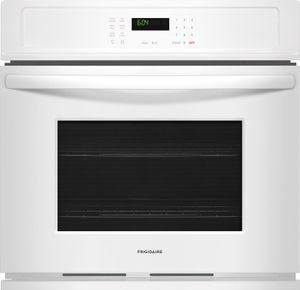
Wall ovens solve a cleaning problem that ranges never will, and this Frigidaire is the straightforward way into that format. Mounting the cavity at eye level means you can see the back wall and the ceiling of the oven without kneeling on a tile floor, which makes hand cleaning the door glass and gasket area far less of a chore. Separating the oven from the cooktop also means cooktop spatter never lands inside it. The 30 inch width fits the standard cabinet cutout in most Valley kitchens, and the white finish suits classic and transitional cabinetry. Confirm the cleaning cycle on the product page before purchase.
Top Features
- Built-in wall oven format: Eye-level access makes the cavity, glass and gasket area genuinely easy to inspect and wipe.
- Standard 30 inch width: Fits the most common wall oven cabinet cutout, which simplifies a replacement installation.
- Electric operation: Steady, even cavity heat without a gas igniter in the cleaning equation.
- White finish: A clean match for white and painted cabinetry, and easy to keep looking sharp with routine exterior wiping.
Maytag 30” White Freestanding Electric Range
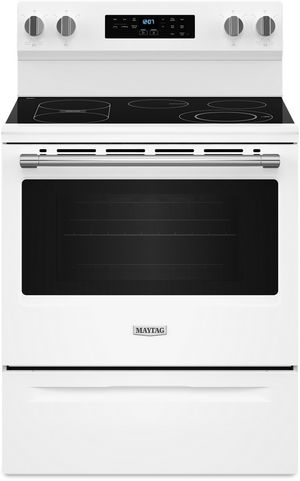
Maytag built its reputation on appliances that keep working, which is exactly the quality that matters when the discussion turns to component stress from high-heat cycles. This is the all-in-one answer for a kitchen with a standard 30 inch range opening, combining cooktop and oven in a single unit that slides out for cleaning behind and beside it. Freestanding ranges are the easiest format to replace because the opening is standardized and there is no cabinetry work involved. Ask our team which cleaning cycles this model offers so you know whether steam clean is available alongside the high-heat option.
Top Features
- Freestanding 30 inch range: Drops into the standard range opening found in most Valley kitchens with no cabinet modification.
- Maytag durability focus: A brand built around long service life, which matters for the components that high-heat cycles stress.
- Cooktop and oven in one: A single appliance to clean and maintain instead of two separate installations.
- Pulls out for cleaning: Freestanding format lets you slide the range forward to clear the side gaps where crumbs collect.
GE 30” White Electric Built-In Single Oven
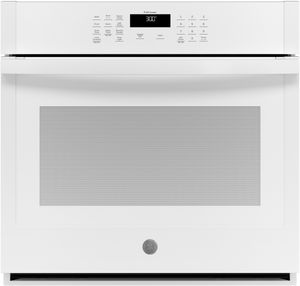
GE is one of the brands most Valley shoppers compare first, and this single wall oven covers the mainstream 30 inch built-in slot. The wall oven advantage described earlier applies here in full: the cavity sits at a working height where hand cleaning the door glass, the gasket line and the corners takes a fraction of the effort it takes bent over a range door. Parts availability and local service support are strong for GE, which is worth weighing when you are thinking about the door lock and control board components discussed in the safety section. Verify the specific cleaning system on the product listing.
Top Features
- Eye-level cavity access: Makes the hand-cleaning tasks no automatic cycle handles considerably easier.
- 30 inch built-in format: Standard cabinet cutout compatibility for a straightforward replacement.
- Widely supported brand: Strong parts availability and local service, backed by our own service department.
- White exterior finish: A neutral finish that stays looking clean with routine exterior maintenance.
Frigidaire Gallery 24” White Single Electric Wall Oven
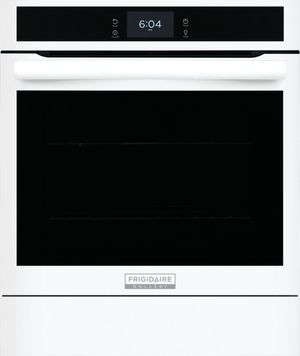
Not every kitchen has a 30 inch cabinet to give up, and that is exactly the gap this one fills. At 24 inches wide it fits condos, casitas, guest kitchens and older Phoenix and Tempe homes where the original cabinetry was built to narrower dimensions. Gallery is Frigidaire’s step-up line, so this sits above the base tier in features and finish. The smaller cavity also has a practical cleaning benefit worth naming: less interior surface area means less to wipe, and it comes up to temperature faster on any cleaning cycle it offers. Confirm the available cleaning modes before ordering.
Top Features
- Compact 24 inch width: Fits narrower cabinet openings in condos, casitas and older Valley homes.
- Frigidaire Gallery tier: A step up from the base line in finish and feature set.
- Smaller cavity to maintain: Less interior surface area to clean, and faster to reach temperature.
- Wall oven mounting height: The same eye-level access advantage in a footprint that fits tight kitchens.
Self Cleaning Oven or Manual: Making the Right Call for Your Kitchen
A self cleaning oven handles heavy carbonized buildup with no scrubbing at all, while steam clean and manual methods handle light soil and the delicate areas that high heat never reaches. Safe use comes down to three things: wipe out loose debris and pull the racks first, ventilate the kitchen throughout, and time the cycle so a failure would be an inconvenience rather than a disaster. Neither method is universally right, and the best routine combines light manual upkeep with occasional deep cleaning.
If your current oven is aging or lacks the cleaning features you want, come see the options run. Shop ranges and wall ovens at Spencers TV & Appliance or visit a Valley showroom where our staff can open doors, show you hidden bake elements and interior finishes side by side, and explain exactly which cleaning cycles each model offers. Our own installers handle delivery, professional installation including gas and electric hookups, and haul-away of the old appliance, and our local service team is here in the Phoenix area years after the sale. That is a different experience from an appliance arriving on a pallet with no installation, no demonstration and a call center for support.
Read more:
Can You Put A Double Oven Side By Side?
The 7 Best Double Oven Gas Ranges | Top Rated Ranges
Frequently Asked Questions about Self Cleaning Ovens
A pyrolytic self clean cycle typically runs two to four hours of active heating, plus another 30 to 60 minutes of cooling before the door lock releases, for a total of roughly three to five hours. Most ovens offer a shorter light-soil setting and a longer heavy-soil setting, and choosing the shortest option that matches the actual mess reduces both the wait and the thermal stress on the appliance.
It is generally safe for healthy adults to remain in a well-ventilated home during a self clean cycle, and opening windows and running the range hood is strongly recommended throughout. Anyone with asthma or respiratory sensitivity should stay out of the kitchen, and pet birds should be moved out of the home entirely because their respiratory systems are far more sensitive to fumes from high-heat cycles.
Most manufacturers instruct owners to remove the racks before running a self clean cycle, because the extreme heat can discolor the finish and damage the coating that lets racks slide smoothly. Check your use and care manual first, since some models specify self-clean safe racks, and clean removed racks separately by soaking them or bagging them with cleaner outdoors.
Steam clean uses roughly a cup of water at about 250 degrees for 20 to 30 minutes to loosen light soil that you then wipe away, while pyrolytic self clean heats the locked cavity to 800 to 900 degrees for several hours and incinerates heavy residue into ash. They are separate features rather than two names for one system, and an oven may offer either, both or neither.
The cycle can contribute to component failure, and technicians most commonly see blown thermal fuses, control board faults and door locks that will not release after a high-heat run. The risk is manageable rather than disqualifying, and it drops considerably when you wipe out loose debris beforehand, use the shortest adequate setting, and run the cycle only a few times a year.
Two to four times a year suits most households, and running the cycle monthly puts unnecessary cumulative stress on the appliance for little benefit. Wiping spills once the oven cools, and using steam clean or a soap and water wipe for routine upkeep, keeps buildup light enough that the high-heat cycle is rarely needed.
Why Trust Spencers TV & Appliance?
Since 1973, Spencer’s TV & Appliance has grown to 11 locations throughout the Phoenix Metropolitan Area. The secret to our longevity is simple: personal service. Customer satisfaction has always been the focus of our business, and throughout the years, we have been able to work hard with our suppliers to bring you the best prices. After all, getting customers the best price and personal attention is how we compete with big-box stores, day in and day out.
Not only do we offer top-rated appliances, name-brand electronics, and the best mattresses on the market but we also provide water treatment solutions and perform kitchen design services. Stop by your nearest Spencer’s and see what you’re missing!
Shop Ovens at Spencers
At Spencers TV & Appliance, we provide high-quality, name-brand products at great prices. Your friends in the business are always happy to help you choose the best mattress for lower back and leg pain. Call us, or better yet, stop by at one of our locations in the Phoenix, Scottsdale, and Glendale regions. Visit us today!