
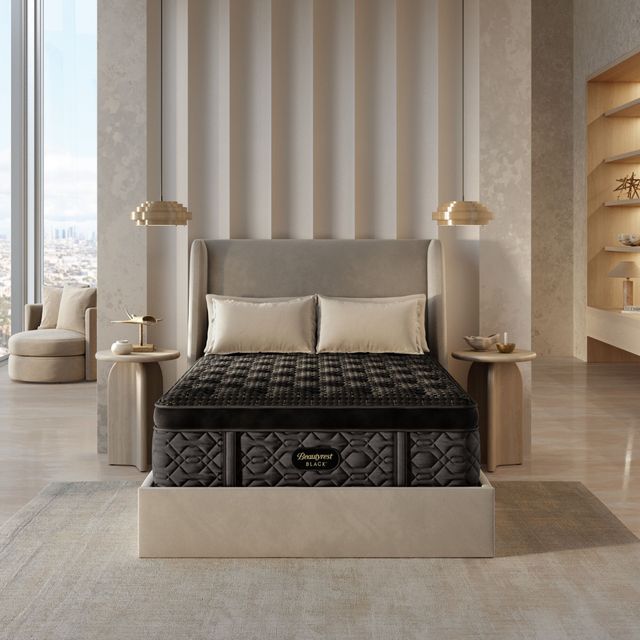
Three weeks running, the alarm goes off and the first move of the morning is a slow stretch to work a stiff band out of the lower back. There is a shallow trench on one side of the bed now, shaped like a person, visible when the sheets come off on laundry day. The frame creaks on every roll, the edge gives out when you sit down to pull on shoes, and the last hotel bed felt better than the one at home. Those small daily tells are the beginning of the answer to how long do mattresses last, because a bed almost never fails all at once.
Sleep Better Tonight on a Mattress That Actually Supports You
Spencers TV & Appliance has helped Phoenix-area families choose mattresses since 1973, with showroom floors where you can test firmness levels in your own sleep position. Our teams handle delivery, setup and old mattress removal across the Valley.
Here is the encouraging part: a mattress rarely fails overnight, and most of the factors that shorten its life sit within your control. At Spencers TV & Appliance, our sleep specialists walk Valley shoppers through lifespan, support and firmness every day, from first apartments in Tempe to primary bedrooms in Scottsdale and guest suites that only see use from November to April. This guide covers average lifespan and why it varies, expected years by mattress type, the habits that wear a bed out early, the warning signs that replacement time has arrived, five practical tips to extend the mattress you already own, and what to look for so the next one outlives the last.
Key Takeaways
- Seven to ten years is the working range: Most mattresses last roughly 7 to 10 years, with material quality and support underneath deciding where in that range you land.
- Comfort life ends before structural life: A bed usually stops supporting you well long before it physically breaks down, which is why the calendar is a weaker signal than your own sleep quality.
- The foundation does half the work: An unsupported base, wide slat spacing or a missing center leg can cut usable life dramatically compared with the same mattress on proper support.
- Warranty length is not a lifespan promise: A 10 or 20 year warranty covers specific defects like sagging past a measured depth, not the comfort you actually feel in year eight.
How Long Do Mattresses Last on Average?
Most mattresses last about 7 to 10 years. That is the honest short answer, and the industry commonly cites 8 years as a general replacement benchmark because it sits in the middle of that range for the materials most people buy.
Treat 8 years as an average rather than a rule. A high-density foam bed on a solid platform in a guest room can easily pass 12 years, while a thin innerspring model carrying two adults nightly on a sagging box spring may be finished at 5.
Structural Life Versus Comfort Life
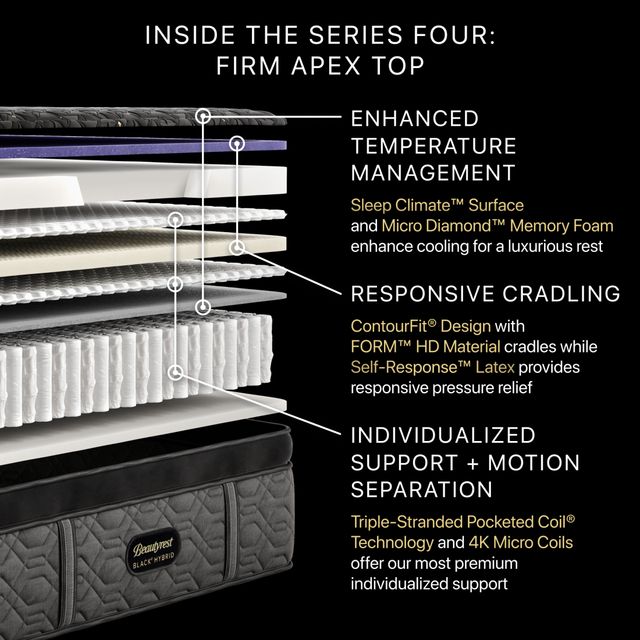
There are two clocks running on any mattress, and they do not stop at the same time.
- Structural life: When the mattress physically breaks down: coils fatigue, foam collapses, the support core loses its shape, the cover splits at a seam.
- Comfort life: When the bed stops holding your spine in a neutral position, even though nothing looks broken.
Comfort life almost always ends first. The comfort layers at the top of the mattress compress under concentrated pressure years before the support core gives out, which is why a bed can look fine and still leave you aching.
Why Your Purchase Date Matters More Than You Think
Lifespan is counted from first use, not from the day the invoice was written. A mattress that spent two years in a spare room before becoming the primary bed is still relatively young, and a guest room mattress used six weeks a year ages at a fraction of the rate of a nightly bed.
That distinction only works if you know the date, and almost nobody does. Here is the habit our sleep team recommends to every customer at delivery: write the in-service month and year directly on the white law tag sewn to the mattress with a permanent marker, and photograph the tag. The law tag is legally required to stay attached, so the date travels with the bed permanently, and when a warranty question comes up eight years later you have the model number, the manufacturer information and your own start date in a single photo.
Warranty period and expected usable life are also two different things. A warranty covers defects such as sagging beyond a specified depth, usually measured with no weight on the bed. It does not promise that the mattress will still feel good for the full term.
Mattress Lifespan by Type: Foam, Innerspring, Hybrid and Latex
Construction drives lifespan more than brand does, because each type fails in a characteristic way.
- Memory foam: Roughly 7 to 10 years. Failure shows up as foam softening and permanent body impressions, especially in the shoulder and hip zones.
- Innerspring: Roughly 5 to 8 years. Coil fatigue and squeaking arrive first, and thin comfort layers over the coils compress quickly.
- Hybrid: Roughly 7 to 10 years. Pocketed coils hold up well, but the foam or latex comfort layer above them determines when the bed stops feeling right.
- Latex: Roughly 10 to 15 years. Natural latex is the most durable mainstream material and resists permanent compression better than polyurethane foam.
- Pillow top and euro top: Roughly 5 to 8 years. The plush top layer is the first thing to flatten, and it cannot be replaced separately.
- Airbed or adjustable air: Roughly 8 to 12 years on the chambers, though pumps, hoses and remotes are the parts that typically need service.
Read more:
Why Your Mattress Needs a Foundation: 3 Benefits Explained
Density and Gauge Separate a Five Year Bed From a Twelve Year Bed
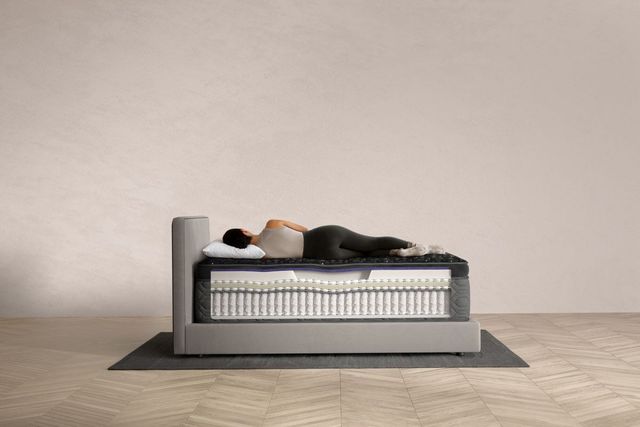
Within any single category, two specifications explain most of the difference in durability. Foam density, measured in pounds per cubic foot, tells you how much material is actually in the foam rather than how firm it feels. Higher density foam resists permanent impressions far longer. Coil gauge works the opposite direction, since a lower gauge number means thicker, sturdier wire.
Pocketed coils, high-density polyfoam, gel memory foam, Talalay and Dunlop latex and quilted euro tops all show up on spec sheets, and none of those terms tell you anything about lifespan on their own. The numbers behind them do.
The Hybrid Assumption Worth Correcting
A hybrid does not automatically outlast an all-foam bed. The pocketed coil support core in a hybrid is genuinely durable, but you sleep on the comfort layer, and if that layer is low-density foam it will develop impressions on the same schedule it would in any other mattress. Judge a hybrid by what sits above the coils.
Two-sided flippable mattresses are the exception that proves the point. Because they can be turned over, wear distributes across two surfaces and effective comfort life roughly doubles. Nearly every mattress sold today is one-sided, so rotation is the only wear-spreading tool most owners have.
What Shortens a Mattress Lifespan Faster Than Age
Plenty of mattresses fail early, and age is rarely the actual cause. These are the accelerators.
- An unsupported or sagging foundation: The single biggest factor, and the one most owners never check.
- Slat spacing that is too wide: Gaps beyond about three inches let foam and pocketed coils bow between slats, creating soft spots that read as mattress failure.
- Sleeping in exactly the same spot nightly: Concentrated pressure in one zone compresses those comfort layers years ahead of the rest of the surface.
- Moisture, humidity and body oils: These break down foam cell structure and fabric over time, even in a dry climate.
- Heat and direct sunlight: Sustained high temperatures accelerate foam softening, which matters in an Arizona bedroom that bakes all afternoon.
- Storing a mattress on its side long term: Foam layers deform under their own weight when they sit vertically for months.
- Skipping a mattress protector: A single stain can void warranty coverage entirely, and most manufacturers state that plainly in the warranty terms.
- Pets and kids on the bed: Claws, concentrated jumping loads and accidents all shorten life in ways nothing else section.
The Foundation Problem, Explained Properly
An old box spring designed for a coil mattress does not support a modern foam or hybrid bed. Foam needs a solid or closely slatted surface, and a queen or king mattress needs a center support rail with at least one leg reaching the floor. Without that center leg, the frame flexes under the heaviest part of the load and the mattress follows it down.
The impact is not marginal. Two identical mattresses, one on a proper platform and one on a flexing frame with no center support, can differ by several years of usable life, and the one on the bad base will show a sag down the middle that looks exactly like a manufacturing defect. Warranty claims get denied for that reason constantly, because the sag came from the base.
Dust mites and allergen buildup deserve a mention as well, though they are a hygiene and comfort issue rather than a structural one. They accumulate in any bed over years and are managed with a protector and regular bedding washing, not by replacing the mattress.
Warning Signs It Is Time to Replace Your Mattress
Run through this checklist rather than counting birthdays.
- Visible sagging or body impressions deeper than roughly one to two inches.
- Waking with new aches, stiffness or numbness that fade within an hour of getting up.
- Worsening congestion or allergy symptoms overnight.
- Audible coil noise on every position change.
- Edge support that collapses when you sit on the side of the bed.
- Consistently sleeping better in hotels or guest beds than at home.
- Increased partner disturbance, meaning you feel motion you did not used to feel.
How to Measure Sag Correctly
Strip the bed completely, lay a straightedge such as a broom handle or a length of trim across the surface from side to side, and measure the largest gap between the straightedge and the mattress with a tape measure. Take the reading with nobody on the bed. Most warranties specify a qualifying impression depth, often somewhere between one and one and a half inches, and a claim that comes in under that threshold will be denied regardless of how the bed feels.
Make Sure It Is Actually the Mattress
Before you replace a bed, rule out the cheaper suspects. A flat or wrong-loft pillow causes neck pain that gets blamed on mattresses constantly. A bedroom running warm causes the tossing and turning people attribute to an old bed. A failing foundation produces sag that a new mattress will simply repeat.
Can an old mattress cause back pain? It can, and the mechanism is straightforward: when comfort layers compress unevenly, your spine sleeps out of neutral alignment for seven or eight hours and the supporting muscles work all night. The telltale pattern is stiffness that is worst on waking and better within an hour of moving around. If pain persists after a proper replacement, that is the point to raise it with a physician rather than buying another bed.
Two minutes tonight settles most of it. Run the straightedge check, then keep a one-line note each morning for a week recording whether you woke stiff. A week of stiff mornings plus a measurable impression is a clear answer.
5 Practical Tips to Extend Your Mattress Lifespan
None of these require special equipment, and together they routinely add two to three years of comfortable use.
1. Rotate on a Schedule, and Know Whether to Flip
Turn the mattress head to foot every three to six months so wear spreads across the surface instead of concentrating in one sleeping zone. Almost every modern mattress is one-sided and should be rotated but never flipped, since flipping puts the support core against your body. Only a two-sided mattress, which is now uncommon, should be turned over.
Tie the task to something you already do so it actually happens:
- Rotate when the clocks change in fall and spring, or on the first of every quarter.
- Set a recurring reminder on your phone at the same time you set the smoke detector battery reminder.
- Vacuum the surface and wash the protector while the bed is stripped for rotation.
2. Get the Support Underneath Right
The base carries as much responsibility as the mattress. Match the foundation to the mattress type, use a platform or closely slatted base for foam and hybrid beds, and confirm slat spacing sits at three inches or less. Every queen and king needs a center support rail with at least one leg to the floor, and larger kings often need two.
3. Use a Breathable Waterproof Protector From Day One
A quality protector blocks the two things that end mattresses early, which are moisture and stains. Choose a breathable waterproof style rather than a vinyl sheet that traps heat, since sleeping hot is its own problem. Put it on the day the bed is delivered, because warranty coverage on stained mattresses is typically void from the first spill.
4. Keep It Clean Without Soaking It
Wash sheets and pillowcases weekly, vacuum the mattress surface with an upholstery attachment every few months, and spot clean with a barely damp cloth and mild soap. Never saturate foam, which holds water deep in its cell structure and can grow mildew you will never see.
Air the bed out on rotation day by pulling the covers back for a few hours, and keep bedroom humidity moderate. In a dry climate this is easier than most places, though evaporative cooling in older Valley homes raises indoor humidity noticeably in spring and fall.
5. Protect It From the Things That Wear It Out Fastest
- Keep pets off the bed, or confine them to a washable throw on top of the protector.
- Do not let children use the bed as a trampoline, since concentrated impact loads damage coils and foam quickly.
- Vary where you sit to put on shoes rather than using the same edge every day, because edge collapse is a common early failure.
- Move a mattress flat rather than folded or bent, and use a proper mattress bag any time it leaves the bedroom.
- Register the warranty when the bed arrives and keep the receipt and the law tag intact, since both are usually required for any claim.
Mattress Lifespan Comparison by Type, Cost and Care Needs
| Mattress Type | Typical Lifespan | Primary Failure Mode | Support Profile | Care Needs | Best For |
|---|---|---|---|---|---|
| Memory foam | 7 to 10 years | Foam softening and body impressions | Deep contouring, strong pressure relief | Rotate every 3 to 6 months | Side sleepers and light sleepers |
| Innerspring | 5 to 8 years | Coil fatigue and squeaking | Firm, bouncy, minimal contouring | Rotate quarterly, needs solid base | Budget bedrooms and guest rooms |
| Hybrid | 7 to 10 years | Comfort layer compression | Coil support with foam contouring | Rotate every 3 to 6 months | Couples with different firmness needs |
| Latex | 10 to 15 years | Slow surface softening | Responsive support, sleeps cool | Low maintenance, rotate twice a year | Buyers prioritizing longevity |
| Pillow top | 5 to 8 years | Plush top layer flattening | Soft surface over firmer core | Rotate quarterly, protector essential | Side sleepers wanting plush feel |
| Adjustable air | 8 to 12 years | Pump, hose and remote wear | Adjustable firmness per side | Occasional component service | Partners with very different needs |
Read the table by pairing the lifespan column with the price tier you are considering, because durability and price track together far more closely than durability and brand. Latex and well-built hybrids cost more up front and usually deliver the lowest cost per year of comfortable sleep, while the least expensive innerspring and pillow top models tend to be replaced soonest. For most households the best long-term value sits in a mid to upper tier hybrid with dense comfort layers.
Choosing a Replacement Mattress That Lasts Longer
Once the diagnosis is clear, the goal shifts to buying a bed that will not repeat the problem. Durability is knowable before you buy if you ask about the right specifications.
- Foam density in the comfort layers, since this predicts impressions better than any other number.
- Coil count and gauge in an innerspring or hybrid, where lower gauge means thicker wire.
- Comfort layer thickness, because a thin plush layer over a firm core compresses fastest.
- Edge reinforcement, which determines whether you can use the full surface in year six.
- Cover quality and whether it is quilted, since the top fabric takes daily abrasion.
Firmness Is a Durability Question Too
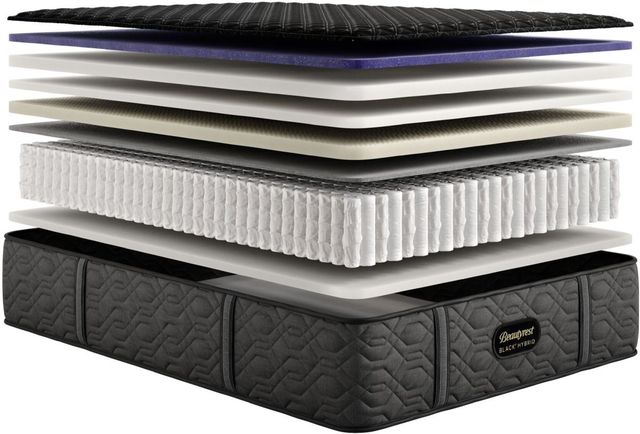
The wrong firmness feels like premature wear even on a brand new bed. Side sleepers generally need enough surface give to let the shoulder and hip sink while the waist stays supported. Back and stomach sleepers generally need firmer support to keep the hips from dropping. Heavier sleepers compress any comfort layer more deeply, which means a firmer, denser build both feels right and lasts longer.
This is the part that cannot be settled by reading. Fifteen minutes lying on a mattress in your normal sleep position tells you more about pressure relief and edge support than an hour of spec sheets, which is the entire argument for testing in a showroom before you commit.
Questions Worth Asking Before You Buy
- What is the foam density in the comfort layers, not just the support core?
- Is the warranty prorated or non-prorated, and at what year does proration start?
- What impression depth qualifies for a warranty claim?
- What foundation does the warranty require, and does it mandate a center support?
- How long is the comfort trial, and what does a return or exchange cost?
- Does delivery include setup and removal of the old mattress?
Buy the foundation or adjustable base at the same time as the mattress so the support matches from day one, and plan for old mattress removal rather than discovering on delivery day that the old bed has nowhere to go.
Squeezing two more years out of an aging bed saves money in the short run, and replacing at the point where sleep quality starts to slip costs money now and pays it back nightly. The honest trade-off is worth laying out before you decide which side of it you are on.
Pros
Spinal support returns to neutral:
A bed with intact comfort layers holds your alignment through the night, which is what removes the morning stiffness that aging mattresses cause.
Measurably better sleep quality:
Fewer position changes and less partner disturbance mean more uninterrupted sleep from the same eight hours in bed.
Fewer allergens in the bedroom:
A new mattress with a protector from day one starts clean, which matters for anyone whose congestion is worse overnight.
Access to newer cooling and motion isolation:
Materials and coil designs have improved considerably, and both cooling and motion transfer are noticeably better than they were a decade ago.
The compounding cost of bad sleep stops:
Years of poor sleep carry a real price in daytime function, and that cost keeps accruing while you delay.
Cons
Real upfront expense:
A quality mattress and matching foundation is a significant purchase, and financing or timing it around a sale takes planning.
An adjustment period is normal:
Bodies adapt to a worn surface, so a properly supportive new bed can feel firm for two to four weeks before it feels right.
What Arizona Heat and Snowbird Seasons Do to a Mattress
Phoenix-area bedrooms put a mattress through a cycle that national lifespan guides never account for. Summer attic temperatures in a Valley home can climb well past 140 degrees, and a bedroom directly beneath that attic or above an uncooled garage holds heat all night even with the air conditioning running. Sustained heat softens polyurethane foam faster than time alone does, which is why the same memory foam bed that lasts a decade in a mild climate can develop impressions a year or two earlier here. The dry air works in your favor on mildew and dust mites, but it is not a free pass, since evaporative cooling in older central Phoenix and Tempe homes pushes indoor humidity up sharply through spring and fall. The other Valley-specific pattern is seasonal use: thousands of local guest rooms and casitas serve winter visitors from November through April and sit empty the rest of the year, which stretches comfort life far beyond the usual range.
- Bedrooms above a garage or directly under an uninsulated attic run hottest and wear foam comfort layers fastest, so rotate those beds on the shorter three month schedule.
- Guest rooms and casitas used only in snowbird season can comfortably run past 12 years, so judge those beds by the straightedge test rather than the calendar.
- Never store a mattress in a Valley garage or a storage unit without climate control, since summer temperatures there will deform foam layers permanently in a single season.
- Time a move for the cooler months when possible, and keep the mattress flat and bagged rather than upright in a hot truck.
- Choose latex, gel-infused foam or a coil-based hybrid if your bedroom runs warm, since airflow through a coil unit sheds heat better than a solid foam core.
- Monsoon dust infiltrates even well-sealed homes in July and August, so run the vacuum over the mattress surface at the end of storm season.
Read more:
Sleep Technology in Beautyrest Mattresses: Cooling, Comfort, and More
The Pros & Cons of Pillow Top Mattresses
Long-Lasting Mattresses Available at Spencers TV & Appliance
The mattresses below span the construction types covered above, from a premium pocketed coil pillow top down to a straightforward wrapped coil bed for a guest room. Each one is described by what its build actually does for durability and support, so match the construction to the sleeper rather than to the price. Our showrooms carry additional sizes, comfort levels and adjustable bases for in-person testing.
Beautyrest Black Series 4 Pocketed Coil 17.25” Plush Summit Pillow Top King Mattress
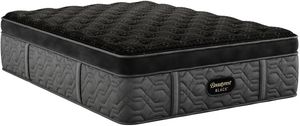
This is the flagship of the group and the answer for a primary bedroom where the bed gets used every night for a decade. At 17.25 inches of profile it carries substantial comfort layers above a pocketed coil support core, which is the construction that gives couples real motion isolation because each coil responds independently. The plush pillow top surface suits side sleepers who need the shoulder and hip to sink while the spine stays neutral. King size gives two adults room to avoid sleeping in identical spots night after night, which is one of the wear factors covered above.
Top Features
- Pocketed coil support core: Individually wrapped coils move independently, which is what limits partner disturbance as materials age.
- 17.25 inch profile: Deep comfort layers over the coil unit, giving the plush feel room to work without bottoming out.
- Plush summit pillow top: Pressure relief aimed at side sleepers, where shoulder and hip compression is the usual complaint.
- King size surface area: More room to vary sleeping position, which spreads wear instead of concentrating it.
Beautyrest Black Series 4 Hybrid 16” Firm Box Top Mattress
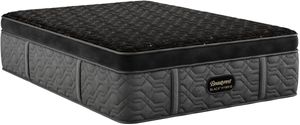
Back and stomach sleepers, and anyone whose hips drop on a soft surface, should start here. A firm box top delivers a flatter, more supportive surface than a plush pillow top, and the hybrid construction pairs that with a coil unit rather than a solid foam core. That coil layer moves air through the mattress, which is the practical answer to sleeping hot in a Valley bedroom that holds afternoon heat. Firmer builds also tend to hold their shape longer under concentrated load, so heavier sleepers generally see better years from this construction than from a plush surface.
Top Features
- Hybrid coil and foam build: Coil support underneath comfort foam, combining contouring with the airflow a solid foam core cannot provide.
- Firm box top surface: A flatter, more supportive surface for back and stomach sleepers who need the hips held up.
- 16 inch profile: Enough comfort layer depth to relieve pressure without giving up support.
- Series 4 comfort layers: Upper-tier materials in the layer that determines how long the bed keeps feeling right.
Beautyrest Black Series 3 Hybrid 14.5” Firm Smooth Top Full Mattress
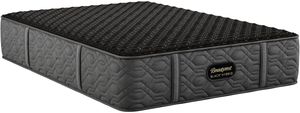
A full size bed has to work in a smaller room without giving up support, and this is the build for it. The smooth top surface has no plush pillow layer to flatten, which removes the single most common early failure point discussed earlier in this guide. Firm hybrid support suits a teenager’s room, a compact primary bedroom or a guest room that gets real use rather than occasional use. At 14.5 inches it fits standard sheets more easily than the deeper profiles above, which is a practical detail worth knowing before delivery day.
Top Features
- Smooth top construction: No plush top layer to compress, which removes the fastest-wearing component on many mattresses.
- Firm hybrid support: Coil support with a firmer surface, well suited to back sleepers and growing teens.
- 14.5 inch profile: A manageable depth that works with standard fitted sheets and lower bed frames.
- Full size footprint: Fits smaller Valley bedrooms and casitas where a queen crowds the walkways.
Beautysleep Serene Day 13.75” Wrapped Coil Plush Tight Top Twin Mattress
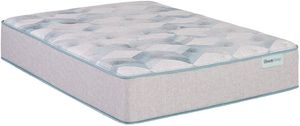
Guest rooms, bunk beds and kids’ rooms do not need flagship construction, and this is the sensible pick for them. Wrapped coils give it the independent coil response of a much more expensive bed, and the tight top surface means there is no pillow layer to flatten in a room that only sees three months of use a year. As covered above, a seasonal-use bed ages slowly, so a mattress in this tier can comfortably serve a snowbird casita well past the usual lifespan range. The plush surface still gives visiting guests real pressure relief.
Top Features
- Wrapped coil unit: Individually pocketed coils that respond independently, unusual at this tier.
- Plush tight top: Cushioned comfort with no separate pillow layer to compress over time.
- 13.75 inch profile: A practical depth for guest beds, bunk frames and platform bases.
- Twin size versatility: Fits kids’ rooms, casitas and guest spaces where floor area is tight.
Beautyrest World Class Level Three 16” Pocketed Coil Plush Pillow Top Twin Mattress
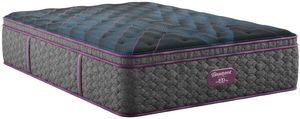
Premium construction in a twin footprint is a specific and useful combination. This is the bed for an adjustable base setup, a single sleeper who wants pillow top comfort without a larger frame, or a guest room where the host refuses to make visitors sleep on something basic. Pocketed coils supply the support and the motion isolation, while the plush pillow top surface delivers pressure relief for side sleepers. At 16 inches of profile it carries the comfort layer depth that separates a bed you keep for a decade from one you replace in six years.
Top Features
- Pocketed coil support: Independent coil response for consistent support across the full surface.
- Plush pillow top comfort: Deep surface cushioning aimed at side sleepers and pressure point relief.
- 16 inch profile: Substantial comfort layer depth, the specification most closely tied to how long a bed keeps feeling right.
- Twin size in a premium build: Upper-tier construction for adjustable bases, single sleepers and well-appointed guest rooms.
How Long Do Mattresses Last and When to Upgrade Yours
Most mattresses last 7 to 10 years, material and support underneath decide where inside that range you land, and consistent care with rotation, a proper foundation and a protector adds real years to the total. The strongest signal to replace is not the calendar at all, it is your own sleep quality declining while a straightedge shows a measurable impression.
When it is time, come test beds in person. Shop mattresses and sleep accessories at Spencers TV & Appliance or visit a Valley showroom and spend fifteen minutes on a mattress in your actual sleep position, which is something no shipping box allows. Our staff will ask about your sleep position, your body type and the support you currently sleep on before recommending anything, and our own teams handle delivery, setup, foundation matching and old mattress removal across the Phoenix area. Local warranty help and service after the sale come with it, which is the difference between an independent Arizona retailer and a compressed mattress arriving at the curb from a website.
Read more:
How to Find the Best Mattress for Lower Back Pain
California King Mattress Size Guide: Is It Right for Your Bedroom?
Frequently Asked Questions About How Long Do Mattresses Last
Most mattresses should be replaced every 7 to 10 years, with the industry commonly citing 8 years as a general benchmark for a bed in nightly use. Use sleep quality and a straightedge sag measurement as the real trigger rather than the date alone, since a guest room mattress can far exceed that range while a poorly supported primary bed falls short of it.
Memory foam and hybrid mattresses both typically last about 7 to 10 years, so the categories are much closer than most shoppers expect. The deciding factor is the comfort layer rather than the category, because a hybrid with low-density foam above its pocketed coils will develop impressions just as quickly as an all-foam bed built the same way.
An old mattress can absolutely cause back pain, because compressed comfort layers let the spine sleep out of neutral alignment for hours at a time. The identifying pattern is stiffness that is worst on waking and eases within an hour of getting up, and if the pain continues after a properly supportive replacement it is worth raising with a physician.
Nearly every modern mattress is one-sided and should be rotated head to foot every three to six months but never flipped, since the underside is the support core rather than a sleeping surface. Only a two-sided flippable mattress, which is uncommon today, should be turned over, and doing so roughly doubles the effective comfort life by spreading wear across two surfaces.
A breathable waterproof protector genuinely extends mattress lifespan by blocking the moisture, body oils and spills that break down foam and fabric. It also protects your warranty coverage, since most manufacturers void claims on a stained mattress, which makes the protector the least expensive lifespan insurance available.
A mattress warranty covers manufacturing defects such as sagging beyond a specified impression depth, usually measured with no weight on the bed, along with faults like broken coils or split seams. It does not cover normal comfort loss, damage from an unsupported foundation, or any stained mattress, and many warranties become prorated after the early years so the payout drops as the bed ages.
Why Trust Spencers TV & Appliance?
Since 1973, Spencer’s TV & Appliance has grown to 11 locations throughout the Phoenix Metropolitan Area. The secret to our longevity is simple: personal service. Customer satisfaction has always been the focus of our business, and throughout the years, we have been able to work hard with our suppliers to bring you the best prices. After all, getting customers the best price and personal attention is how we compete with big-box stores, day in and day out.
Not only do we offer top-rated appliances, name-brand electronics, and the best mattresses on the market but we also provide water treatment solutions and perform kitchen design services. Stop by your nearest Spencer’s and see what you’re missing!
Shop Mattresses at Spencers
At Spencers TV & Appliance, we provide high-quality, name-brand products at great prices. Your friends in the business are always happy to help you choose the best mattress for lower back and leg pain. Call us, or better yet, stop by at one of our locations in the Phoenix, Scottsdale, and Glendale regions. Visit us today!