


The burgers were supposed to be easy. Half the guests had plates in hand when the old grill started sputtering, with one rusted burner roaring and the other barely glowing blue. The patties on the left side charred while the ones on the right stayed pink. Moments like that are why so many people start looking for the best gas grill, one that lights every time and cooks evenly from edge to edge.
Consider the homework handled: the team at Spencer's TV & Appliance, the Valley's trusted local source for outdoor grills, has already compared the options that matter. This guide walks through how to match a grill to your cooking style, the honest pros and cons of gas, and how to size your grill. You will also learn the real story behind BTUs, natural gas vs propane, materials that survive the Arizona sun, features worth paying for, safe placement and care, and our top picks.
Find the Gas Grill Built for Your Backyard
Compare built-in, freestanding and flat top gas grills from Wolf and Coyote with help from local outdoor cooking experts. Spencer's TV & Appliance offers delivery, assembly and installation across the Phoenix metro.
Key Takeaways
- Start with how you cook: Weeknight burgers, big parties and steakhouse searing each point to a different size and feature set.
- BTU per square inch beats total BTU: Aim for roughly 80 to 100 BTUs per square inch of primary cooking area, with even heat and good heat retention.
- Pick one fuel and stick with it: Grills are built for natural gas or propane, and conversions need manufacturer-approved kits.
- Materials decide lifespan: 304 stainless steel, sturdy grates and a fitted cover help a grill stand up to Phoenix sun, heat and dust.
What Makes the Best Gas Grill for Your Backyard

The best gas grill is the one that fits how you actually cook. A grill that is perfect for a couple grilling chicken on weeknights may feel cramped at a graduation party.
Match the Grill to Your Grilling Style
- Weeknight burgers and chicken: A 2- or 3-burner grill heats fast and keeps fuel use low.
- Large gatherings: A 4-burner or larger grill with a warming rack keeps food coming.
- Searing steaks: Look for an infrared sear zone or high-output burners.
- Low-and-slow roasting: Multiple burners let you cook with indirect heat, and a rotisserie adds options.
- All-in-one outdoor cooking: A built-in grill paired with a flat top or side burner turns the patio into a kitchen.
Why Most Households Choose Gas
Gas grills preheat in minutes, adjust with the turn of a knob and clean up without ash. That convenience is why gas is the go-to fuel for most backyard cooks.
The Factors That Matter Most
- Size and burner count
- Fuel type
- Heat output and distribution
- Materials and build quality
- Features
- Placement and care
Grilling Season Never Ends in Phoenix
Many Phoenix-area families grill year-round, from winter weekends to summer dinners that keep heat out of the kitchen. A grill that gets used two or three times a week wears faster than one that sits under a cover in a cold-weather state. That frequent use makes durable construction worth more here than almost anywhere else.
Best Gas Grill Pros and Cons: Is Gas Right for You?
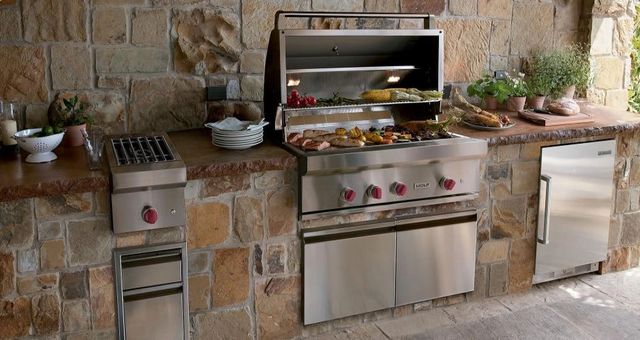
Gas grills win on convenience and control, while charcoal, pellet and kamado grills lean into smoky flavor and slow cooking. Here is how gas stacks up.
Pros
Fast startup:
Push-button ignition gets you cooking in minutes.
Precise temperature control:
Separate burners let you set high, medium and low zones at once.
Easy cleanup:
No ash to dump, and grease trays catch drippings.
Lower fuel hassle:
Natural gas never runs out, and propane tanks swap quickly.
Year-round reliability:
Gas lights consistently in any season.
Cons
Less smoky flavor:
Gas does not add the smoke of charcoal or pellets without a smoker box.
Higher upfront cost for quality:
Premium stainless gas grills cost more than basic charcoal models.
What Size Gas Grill Do You Need?
Grill size is measured in square inches. Understanding the numbers makes comparing models much easier.
Primary vs Total Cooking Area
Primary cooking area is the main grate directly over the burners. Total cooking area adds warming racks, which keep food warm but do not sear. Always compare grills by primary cooking area first.
Sizing by Household
- 2 burners, about 300 to 400 square inches: Fits 10 to 15 burgers, ideal for couples and small families.
- 3 to 4 burners, about 450 to 650 square inches: Fits 15 to 25 burgers, great for most families and casual hosts.
- 5 to 6 or more burners, 650 square inches and up: Built for big parties and outdoor kitchens.
Why More Burners Help
More burners give you more control, not just more heat. With three or more burners, you can cook with direct heat on one side and indirect heat on the other. That setup lets you sear a steak, then move it over to finish gently, or roast a whole chicken without burning the skin.
Measure Your Patio First
Measure the space where the grill will sit, including side shelves when they are folded out. Leave room for clearance from walls, railings and overhangs, as listed in the manual, plus space to stand and work comfortably.
Natural Gas vs Propane Grill: Which Fuel Is Best?
Both fuels cook great food. The right choice depends on your home and how you like to grill.
Propane Tanks
- Convenience: Tanks are easy to swap, but they can run out mid-cookout.
- Portability: You can move a freestanding propane grill anywhere on the patio.
- Installation: No gas line needed.
- Cost: Usually costs more per hour of cooking than natural gas.
Natural Gas Lines
- Convenience: Unlimited fuel from your home's supply.
- Operating cost: Often cheaper to run over time.
- Installation: A licensed professional must run and connect the gas line.
- Portability: The grill stays in one place near the connection.
Many Phoenix-area homes with outdoor kitchens are already plumbed for natural gas, which makes a natural gas grill an easy upgrade.
Grills Are Built for One Fuel
Each grill is built for either natural gas or propane, with different valves and burner orifices. Converting requires a manufacturer-approved conversion kit installed correctly. Never connect a grill to a fuel it was not set up for.
Do They Cook Differently?
Natural gas and propane grills cook food the same way when the grill is built for that fuel. Propane holds more energy per cubic foot, but manufacturers size the burners so both versions reach similar temperatures. Flavor comes from the drippings and the grate, not the fuel.
Read More: Grilling FAQs: Liquid Propane vs Natural Gas | 5 Best Gas Grills for Phoenix Backyards
Gas Grill BTUs and Heat Performance Explained
BTU stands for British Thermal Unit, a measure of heat energy. Grill makers list total BTUs per hour, but that number alone can mislead you.
Why Total BTU Is Misleading
A huge grill with high total BTUs may still heat weakly if the power is spread across too much space. A better measure is BTU per square inch of primary cooking area. Roughly 80 to 100 BTUs per square inch is a commonly cited sweet spot for good searing power.
What Drives Even Heat
- Burner design: Long, evenly spaced burners spread heat across the grate.
- Flame tamers or heat control grids: Sit above the burners, spread heat and vaporize drippings into flavor.
- Lid construction: A heavy, double-wall hood holds heat for roasting and steady temperatures.
- Grates: Thick grates store heat and leave better sear marks.
Specialty Burners
- Infrared or sear burners: Produce intense radiant heat for a steakhouse crust.
- Rear rotisserie burners: Roast chicken, pork and prime rib evenly as they turn.
- Side burners: Handle sauces, sides or a pot of beans next to the grill.
Heat Retention Beats Raw Power
A grill that holds heat evenly will outcook a grill with higher BTUs and thin walls. Heavy grates, a tight hood and good heat control grids keep temperatures steady when you open the lid. That is what turns out consistent results cook after cook.
Gas Grill Types Compared: Freestanding, Built-In, Portable, and Flat Top
Use this chart to compare grill styles at a glance. Sizes and prices vary by brand and model.
| Grill Type | Best Use | Cooking Space | Install and Fuel | Mobility | Durability and Price |
|---|---|---|---|---|---|
| Freestanding cart | Most backyards | 400 to 800 sq. in. | No install, propane or natural gas | Moves on wheels | Good to excellent, mid to premium |
| Built-in | Outdoor kitchens | 500 to 1,000+ sq. in. | Island cutout, often natural gas | Fixed in place | Excellent, premium |
| Portable | Camping and tailgates | 150 to 300 sq. in. | No install, small propane tanks | Very portable | Fair to good, budget |
| Flat top gas griddle | Breakfasts and smash burgers | 300 to 700 sq. in. | Cart or built-in, propane or natural gas | Varies | Good to excellent, mid to premium |
| Infrared grill | High-heat searing | 300 to 700 sq. in. | Cart or built-in, propane or natural gas | Varies | Good to excellent, premium |
Built-in grills and flat tops fit best in outdoor kitchens, while freestanding and portable grills suit smaller patios and renters.
Gas Grill Materials and Build Quality That Last
Materials decide how long a grill survives outdoors. In the Phoenix area, intense sun, triple-digit heat and monsoon dust test every part of a grill.
Stainless Steel Grades and Firebox Materials
- 304 stainless steel: Higher nickel content gives it strong rust resistance. It is the standard on premium grills.
- 430 stainless steel: Less expensive and more prone to surface rust and discoloration over time.
- Cast aluminum fireboxes: Will not rust and hold heat well, common on mid-range grills.
- Powder-coated steel: Affordable, but chips and scratches can lead to rust.
Grate Materials
- Stainless steel: Durable and low maintenance, with good heat retention when the rods are thick.
- Porcelain-coated: Easy to clean, but chips can expose metal to rust.
- Cast iron: Excellent heat retention and sear marks, but it needs regular oiling to prevent rust.
Burners and Warranty
Stainless steel and brass burners last much longer than thin-gauge steel. Warranty length is one of the clearest quality signals. Brands that stand behind burners and housings for many years expect them to last.
Protecting Your Grill From Arizona Weather
Sun fades knobs and covers, heat bakes grease into the firebox, and monsoon dust settles into burners. A fitted cover keeps out dust and UV when the grill is cool. Choosing 304 stainless and quality components protects your investment through years of desert summers.
Gas Grill Features Worth Paying For
Some features make grilling easier every time. Others are fun extras. Here is how to sort them.
Must-Haves for Most Cooks
- Reliable ignition: Electronic or hot surface ignition lights burners on the first try.
- Built-in thermometer: Shows hood temperature at a glance.
- Grease management: A removable tray or trap makes cleanup quick and safer.
- Warming rack: Keeps buns toasty and finished food warm.
Nice-to-Haves Based on How You Cook
- Sear station: Worth it if you grill steaks often.
- Rotisserie kit: Great for whole chickens and roasts.
- Side burner: Useful if you cook sauces or sides outside.
- LED knob lighting: Helps with night grilling, which Phoenix summers make popular.
- Fuel gauge: Prevents running out of propane mid-cook.
- Storage: Cabinets or drawers keep tools and tanks organized.
- Smart probes: App-connected temperature probes alert your phone when food is done.
Read More: How to Choose an Outdoor Built In Grill | Coyote Grills: The Perfect Addition to Your Outdoor Kitchen
Placement, Safety, and Care for Your New Gas Grill
Where and how you set up the grill affects safety and lifespan. A little routine care keeps it running for years.
Safe Placement
- Clearance: Follow the manual for distance from walls, railings, eaves and overhangs.
- Ventilation: Grill outdoors in open air, never in a garage or enclosed porch.
- Level surface: Set the grill on a stable, level spot so grease drains properly.
- Built-in installs: Use the correct island cutout, venting panels and an insulated jacket when a grill sits next to combustible materials.
One placement detail many pool owners miss: keep the grill well away from where pool chlorine and acid are stored. Chemical fumes can pit and stain even 304 stainless steel, so a grill parked next to the pool equipment pad ages years faster than one across the yard.
Routine Maintenance
- Burners: Brush burner ports clear so flames stay even and blue.
- Grease tray: Empty and wipe it every few cooks.
- Grates: Scrape after each use, and oil cast iron grates to prevent rust.
- Leak checks: Brush soapy water on hose connections and watch for bubbles.
- Seasonal deep cleaning: Clean the firebox, heat control grids and hood twice a year.
How Long a Quality Gas Grill Lasts
A quality stainless gas grill often lasts 10 to 15 years or more with good care, while budget grills may need replacing in just a few seasons. Covers, regular cleaning and quality materials extend that life.
Professional Help Pays Off
Professional delivery, assembly and installation set your grill up correctly from day one. For built-ins and natural gas, a licensed installer handles the gas connection safely.
Your Phoenix Grill Setup Checklist
Most grill guides stop at the grill. In the Valley, the setup around it matters just as much for comfort and how often you actually cook outside. Run through this list before you buy.
- Shade plan: Place the grill where afternoon sun will not bake you and the control panel in summer.
- Wind direction: Point the back of the grill toward prevailing wind so smoke drifts away from seating.
- HOA and community rules: Some condos and communities restrict gas or charcoal grills, which makes an electric island a smart alternative.
- Lighting: Plan for task lighting or choose LED-lit knobs for evening grilling.
- Gas access: Check whether a natural gas stub already exists near the patio.
Read More: Covered Outdoor Kitchen Ideas Your Home Needs | Outdoor Kitchen Appliances for Upgraded Grill Sessions
Shop the Best Gas Grill Options at Spencer's TV & Appliance
These picks range from a Wolf built-in with a sear zone and rotisserie to Coyote freestanding, built-in and flat top grills in natural gas and propane. For spaces with gas restrictions, we also included a Coyote electric island alternative. Our team at Spencer's TV & Appliance can help you match the right setup to your patio, fuel and cooking style.
Wolf® 4-Burner Stainless Steel Built-In Natural Gas Grill

This 36-inch Wolf grill brings the same precision Wolf is known for indoors to your outdoor kitchen. Individually contained 25,000 Btu burners give you independent heat control, and the infrared sear zone delivers intense heat for deep, fast searing. Ceramic briquettes add radiant heat for thorough, even grilling across the grate.
A two-position rotisserie with a 14,000 Btu infrared burner turns out juicy poultry and roasts. LED-lit red knobs and halogen grill lights make night cooking easy. Build it in, or set it on an accessory cart.
Top Features
- Infrared Sear Zone: Direct, high heat for steakhouse-style crusts.
- Rotisserie System: Two-position rotisserie with a 14,000 Btu infrared burner.
- Double-Wall Hood: Insulated front with a spring-assist system for easy opening.
- Night Grilling Lights: LED-lit red knobs and halogen surface lights.
- Three-Position Warming Rack: Stows away when you need extra space.
Coyote® 2-Burner Stainless Steel Flat Top Built-In Natural Gas Grill

This 30-inch Coyote flat top turns your outdoor kitchen into a breakfast station, smash burger spot and fajita grill. Two burners deliver up to 17,000 BTU each across a 400-square-inch cooking surface, so you can run a hot side and a gentler side at once.
Complete 304 stainless steel construction stands up to sun and heat, and a removable grease trap makes cleanup quick. A stainless cover protects the cooking surface, and a vinyl weather cover is included. Build it in, or add the available cart.
Top Features
- Flat Top Cooking Surface: 400 square inches for eggs, pancakes and smash burgers.
- Two 17,000 BTU Burners: Create separate heat zones across the griddle.
- 304 Stainless Steel Construction: Strong rust resistance for outdoor use.
- Removable Grease Trap: Easy access for quick cleanup.
- Covers Included: Stainless surface cover plus a vinyl weather cover.
Coyote® C-Series 3-Burner Stainless Steel Freestanding Natural Gas Grill

This Coyote C-Series freestanding grill gives you outdoor kitchen performance on a cart. Three iBurners spread heat across 640 square inches of total cooking area, enough for family dinners and weekend cookouts. An integrated wind guard helps hold steady heat on breezy evenings.
Newly designed stainless steel heat control grids spread heat and vaporize drippings for flavor. Electronic ignition lights the burners quickly, and the smudge-proof control panel keeps the grill looking clean. Optional knob color inserts let you personalize the look to match your patio.
Top Features
- Three iBurners: Even heat with room for direct and indirect zones.
- 640 Square Inches: Plenty of total cooking area for family meals.
- Integrated Wind Guard: Helps keep temperatures consistent outdoors.
- Heat Control Grids: Stainless grids spread heat and add flavor.
- Smudge-Proof Control Panel: Stays clean and easy to read.
Coyote® C-Series Built in Liquid Propane Gas Grill-Stainless Steel
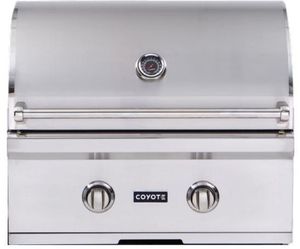
This Coyote C-Series built-in grill runs on propane, so it fits outdoor kitchens without a natural gas line. Two high-performance iBurners put out up to 40,000 BTU across 640 square inches of cooking area. Stainless steel burners, grates and heat control grids hold up to frequent use.
A double-wall stainless hood holds heat for roasting, and the grill box features continuous welds for a clean, sturdy finish. Optional rotisserie and smoker box kits expand what you can cook, and an insulated jacket allows installation near combustible surfaces.
Top Features
- Two iBurners: Up to 40,000 BTU of total cooking power.
- 640 Square Inches: Generous cooking area for a 2-burner grill.
- Double-Wall Hood: Holds heat for steady temperatures and roasting.
- Stainless Steel Components: Burners, grates and grids built to last.
- Optional Accessories: Rotisserie kit, smoker box and insulated jacket available.
Coyote® C-Series Free Standing Liquid Propane Gas Grill-Stainless Steel

This freestanding Coyote C-Series grill delivers the same premium performance as the built-in version, with the freedom to roll it where you need it. Two iBurners power 640 square inches of cooking area, and it runs on a propane tank, so no gas line is required.
Stainless steel burners, grates and heat control grids resist the wear of frequent grilling. A double-wall stainless hood holds steady heat, and optional rotisserie and smoker box kits expand your menu. It is a strong choice for patios and renters.
Top Features
- Freestanding Design: Move it around the patio without a permanent install.
- Liquid Propane Fuel: Runs on a standard propane tank.
- 640 Square Inches: Plenty of room for family cookouts.
- Heat Control Grids: Spread heat evenly and add flavor from drippings.
- Double-Wall Stainless Hood: Retains heat for roasting and baking.
Coyote® Outdoor Living 3 ft White Stacked Stone Electric Island
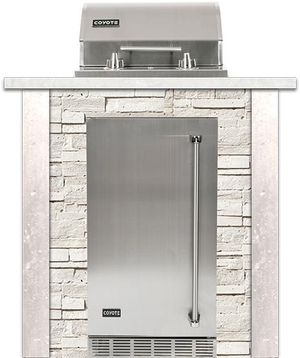
This 3-foot Coyote electric island is the smart answer for condos and communities with gas or charcoal restrictions. Built from proprietary concrete composite panels in a modern white stacked stone finish, it gives a small patio the look of a full outdoor kitchen.
A 2-inch-thick chiseled-edge concrete countertop adds room for prep or casual dining. The island is designed for a quick install, and a 21-inch outdoor refrigerator option is available. Note that the electric grill and its components are ordered separately to complete the island.
Top Features
- Electric Grill Island: A solution for spaces where gas or charcoal is not allowed.
- Concrete Composite Build: Durable panels in a white stacked stone finish.
- Chiseled-Edge Countertop: 2-inch-thick concrete top for prep and serving.
- Quick Installation: Designed to install in just a few hours.
- Refrigerator Option: Space for an available 21-inch outdoor refrigerator.
Your Backyard Deserves the Best Gas Grill
The best gas grill fits your household size, runs on the right fuel and delivers even heat from durable materials. Add only the features you will use, and you will get years of great backyard meals.
When you are ready to choose, visit Spencer's TV & Appliance, the independent Phoenix-area retailer for outdoor cooking. Our experts can help you compare grills, plan your outdoor kitchen and handle professional delivery, assembly and installation. You get local service and real advice that big-box stores cannot match.
Frequently Asked Questions about Gas Grills
A good gas grill should deliver roughly 80 to 100 BTUs per square inch of primary cooking area. Even heat and strong heat retention matter more than a high total BTU number.
A natural gas grill is better for homes with a gas line because fuel never runs out and often costs less to use. A propane grill is better for flexibility, since you can place it anywhere without a gas line.
A family of four usually needs a 3- to 4-burner gas grill with about 450 to 650 square inches of cooking area. Frequent hosts should step up to 5 or more burners for larger crowds.
The best material for a gas grill is 304 stainless steel, which resists rust and lasts for years outdoors. Pair it with heavy stainless or cast iron grates for strong heat retention.
A quality gas grill often lasts 10 to 15 years or more with regular care. Stainless steel construction, a fitted cover and routine cleaning extend its life.
Paying more for a high-end gas grill is worth it if you grill often and want even heat and long-lasting materials. Premium grills use better burners, thicker steel and longer warranties that lower the cost of ownership over time.
Why Trust Spencer’s TV & Appliance?
Since 1973, Spencer’s TV & Appliance has grown to 10 locations throughout the Phoenix Metropolitan Area. The secret to our longevity is simple: personal service. Customer satisfaction has always been the focus of our business, and throughout the years, we have been able to work hard with our suppliers to bring you the best prices. After all, getting customers the best price and personal attention is how we compete with big-box stores, day in and day out.
Not only do we offer top-rated appliances, name-brand electronics, and the best mattresses on the market but we also provide water treatment solutions and perform kitchen design services. Stop by your nearest Spencer’s and see what you’re missing!
Shop at Spencer’s Appliances in Phoenix
At Spencer’s TV & Appliance Stores Phoenix, we provide high-quality, name-brand products at great prices — check out our entire catalog to shop refrigerators, dishwashers, wall ovens, and so much more today. Your friends in the business are always happy to help you find the best kitchen appliances, mattresses, laundry appliances, and electronics for your humble abode, no matter what! Call us, or better yet, search for Spencer's appliances near me and stop by at one of our locations in the Phoenix, Scottsdale, and Glendale regions. Visit us today!
Learn More: Tips for Designing a High-End Kitchen
- Subscribe to Our Email List
- Shop Our Current Deals
- Shop Scratch & Dent Appliances
- Learn About Our Featured Brands
- Learn About Our Services